June 07, 2026
Photos & Writing by Isabella Appell
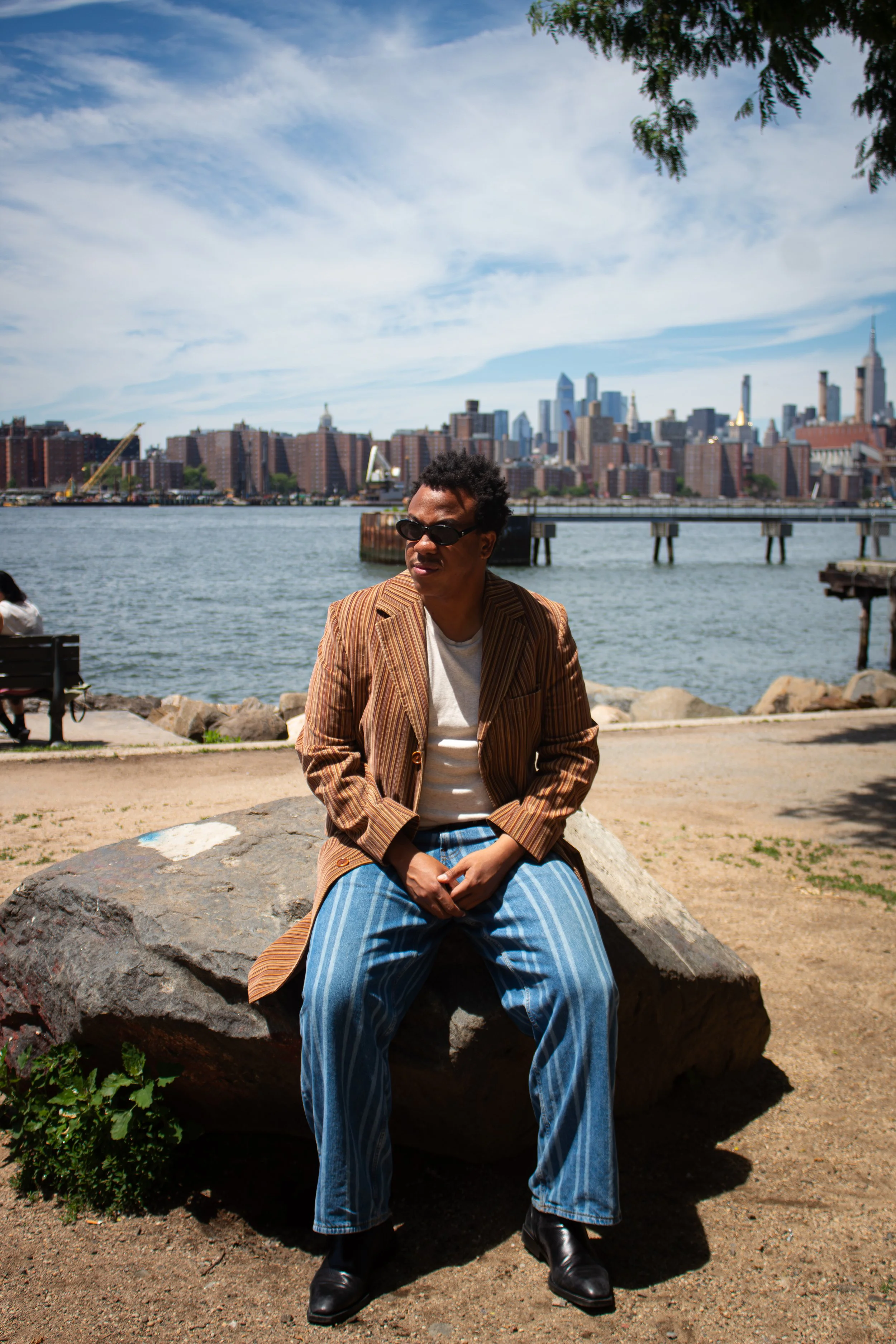
MORE THAN TWO YEARS AFTER RELEASING HIS DEBUT ALBUM, LOS ANGELES-BASED R&B ARTIST LEE LEWIS RETURNS WITH HOWL — a six-track EP that reflects on the person he used to be in relationships and what he’s trying to leave behind. Honest and introspective, the project chronicles a period of growth, self-discovery, and navigating the dating world as a queer Black man. Ahead of his headline release show at The Echo on June 17, we spoke with Lewis about the making of HOWL, the lessons woven throughout the record, and how he has evolved since his last release.
PETTY: If someone hasn’t been introduced to your music before, how would you describe yourself and what you create?
LEWIS: I would describe myself as a soul singer—specifically alternative soul, cinematic soul, on the fringes of R&B. My goal is to tell stories that are specifically Black, queer, and male, and to do so as authentically as possible. Even if it’s embarrassing, I think a lot of Black queer people grow up without the opportunity to properly express themselves. Up until maybe five years ago, I hadn’t really digested my experiences, whether that was dating or experiences within my own community. Soul music is the most authentic avenue for me to express that.
PETTY: As a Black queer artist, how has your identity influenced the stories you choose to tell through your music?
LEE: For this project and the last, I primarily focused on dating. For most queer people of color, we start dating a bit later than heterosexual people. I have songs about older men, dating men in the closet, dealing with the humiliation and belittlement that comes with that, and dating a white man as a Black man.
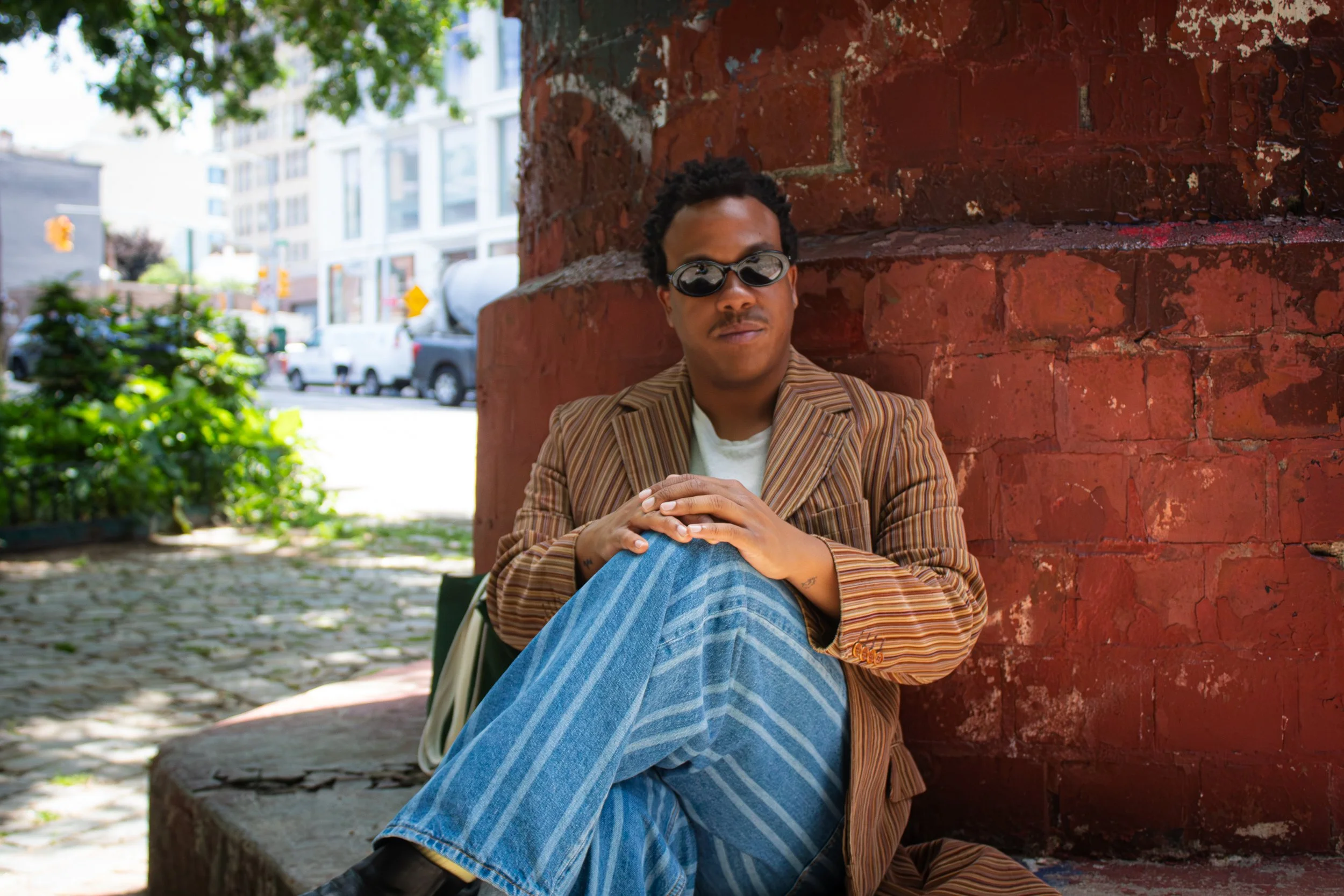
PETTY: How is writing about the Los Angeles dating scene different from writing about dating anywhere else?
LEE: The LA dating scene is tough because it's very physically based—how hot you are, how buff you are, that type of thing—so it can feel superficial. I think it’s always important to find your queer community. Just because the dominant image might be ripped white men doesn’t mean there isn’t space for other people. I live in a predominantly Black neighborhood, so my queer spaces have followed that. I also go to London a lot to write, and that’s a city I would love to be gay in full time.
PETTY: You studied opera before moving into your current sound. What elements of that classical training still show up in your work today?
LEE: I studied classical voice and opera from age 13 through college, so it’s my foundation through and through. I grew up listening to R&B, soul, and pop through my parents and grandparents, but my training is in classical music, and it’s always present in everything I do. Sometimes I don’t like that, but other times I think it’s a good thing—it makes my voice what it is.
A lot of my song structure is very R&B-forward, but when I approach melodic lines, it’s like I’m right back in school. I spent years after college trying to get rid of the classical sound, but over time those influences have fused together. I like making cinematic soul—I love the strings and arrangements from a classical background mixed with the rawness of soul.
When I started making soul music, it was hard to be raw and authentic because it goes against my training. Classical voice is about accuracy and perfection, whereas R&B is about feeling and heart. Those approaches can clash. It can be tough, but I try to keep some of that background because it’s such a unique and niche foundation.
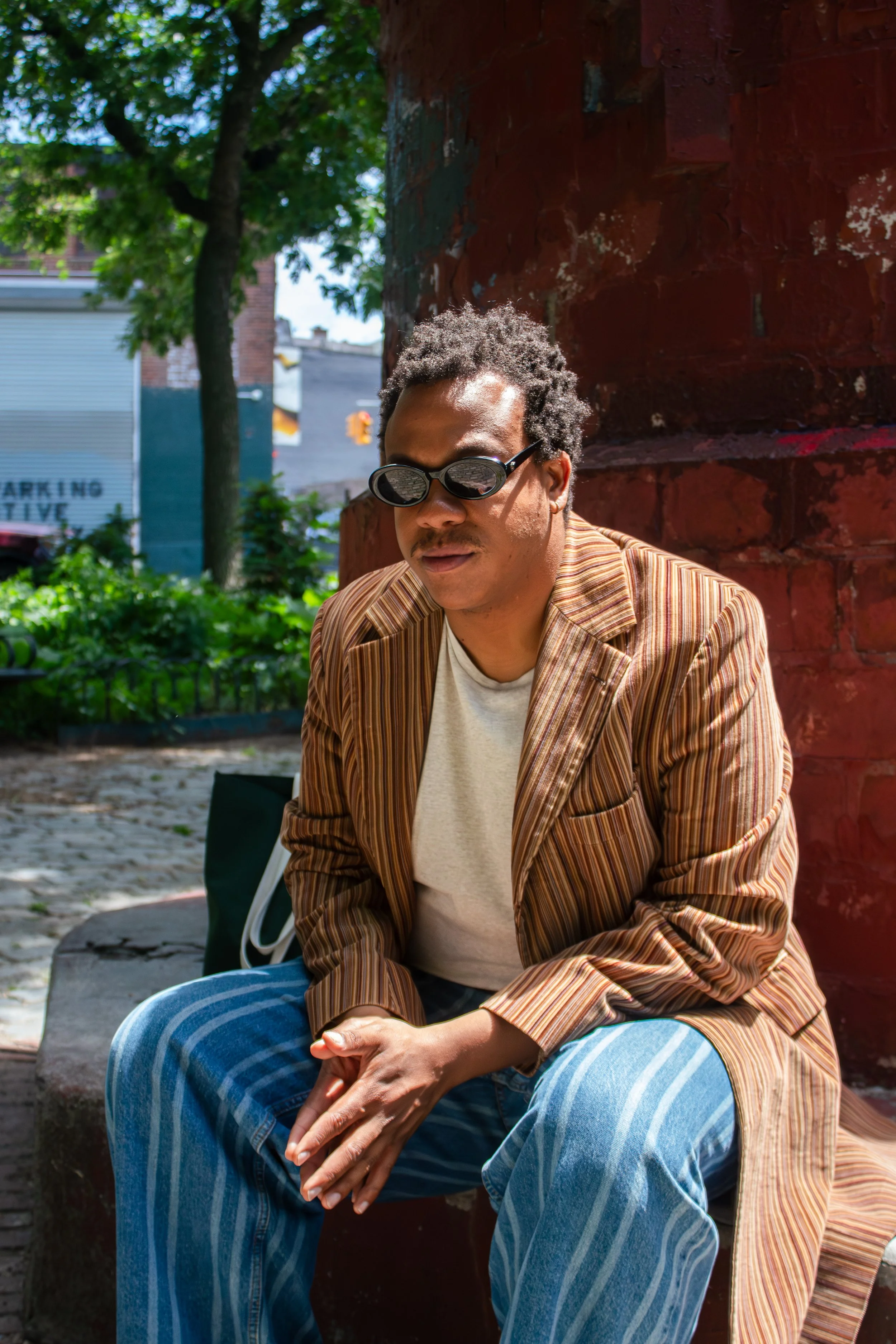
PETTY: What can you tell us about the EP and the emotional journey you want listeners to experience? What does the title represent for you?
LEE: The EP is called HOWL, like a wolf howling. It’s been an interesting journey because I didn’t realize I was making it around this relationship I kept going in and out of, and the title is actually very close to the guy’s last name. I found myself writing song after song about the situation, and by the time I finished the EP, I realized it had to be called this.
There are heartbreak elements to it, which is my bag. I love a heartbreak song. But it was also an era of letting people treat me like a dog and continuing to let it happen. I was kind of the hit dog howling for help, returning to the same patterns and people who kept treating me poorly.
PETTY: Was there a song that was the hardest for you to write emotionally?
LEE: Probably “White Flag.” I wrote it with Romeo, aka White XL, before I was going to see the guy I was dating to end things for the fourth time. By the time we finished the song, I was like, “Do I have to end this?” I was singing, “I think I’m over you, you have too much to prove,” and realized this obviously had to stop.
There are other songs on the EP, like “The Long Way,” where I’m talking a little bit of shit. The first line is, “It’s quiet in the evening, the wolves are never sleeping, you’re a wolf in sheep’s clothes, I see you burning in the skin.” Clearly, I’m bothered by a lot of what happened. Romeo, who’s known me for 11 years, was basically saying, “Please do not go back to this. What the fuck is with you and this dude?”
PETTY: Have you learned anything about yourself through writing this album? What feels different now compared to when you started it?
LEE: Yeah. I’ve been deep in therapy while writing it, so I’ve learned a lot about some bad habits—why I was involved with people who took advantage of me and why I kept giving them chances to fix things.
I love writing songs about pain, but I don’t want to always write about that. I’m sure it’ll happen again, but I’ve started wondering what happens if I’m in a place where it’s time to switch it up. Maybe soon I’ll write songs about properly being in love—more cocky, more confident.
PETTY: Why is now the right time to release this project?
LEE: When I was releasing music before, I took so much time on everything. Now I’m at a point where I want to move things along. Sitting on these songs prevents me from moving forward. I knew it needed to come out in June for Pride Month and Black Music Month, and once it was out, I wanted to spend the rest of the year promoting it.
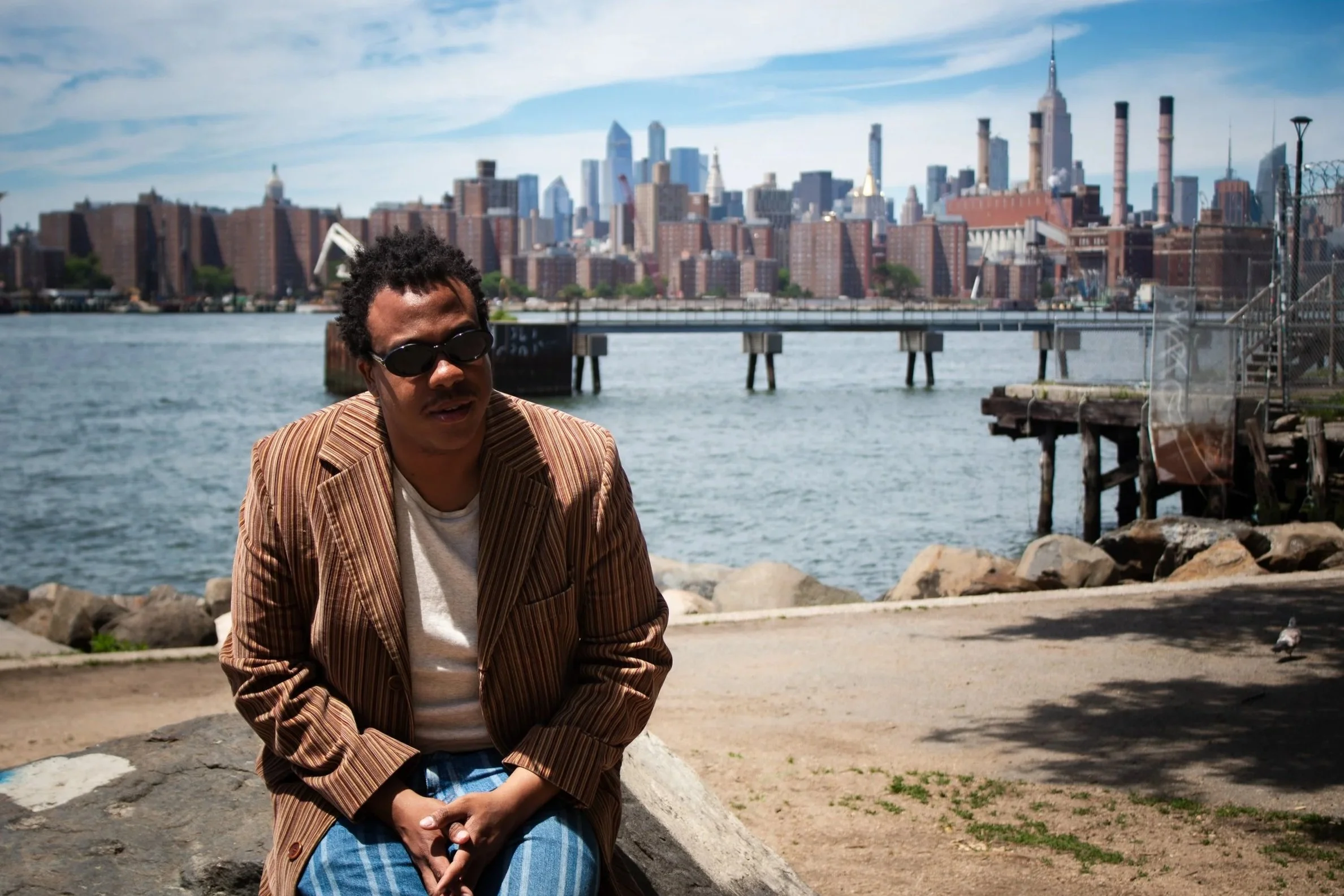
PETTY: Is there anything else you want listeners to know about you as an artist and the EP in general?
LEE: I see this EP as the second part of a trilogy. The first, Something Burning, came out in 2024. I love it, but it feels insecure in some ways and reflects where I was at the time. I was dating closeted men and wasn’t sure who I was as an artist. This project feels more confident. Just like the title, my voice and my opinions are getting stronger. It represents me becoming more genuine and authentic as an artist. The project after this will complete the trilogy—the beginning, middle, and end of finding a voice later in life.
Like I said earlier, a lot of Black gay men and queer people are thrown into a world where there’s no clear space for us. The queer community often centers whiteness, the Black community has historically struggled with homosexuality, and society frequently exploits the Black experience. There’s no one there to help define our voice. We spend our lives trying to find it and express ourselves in whatever way feels most genuine. That’s what I want reflected in this EP.