June 08, 2026
Written by Iris Flynt
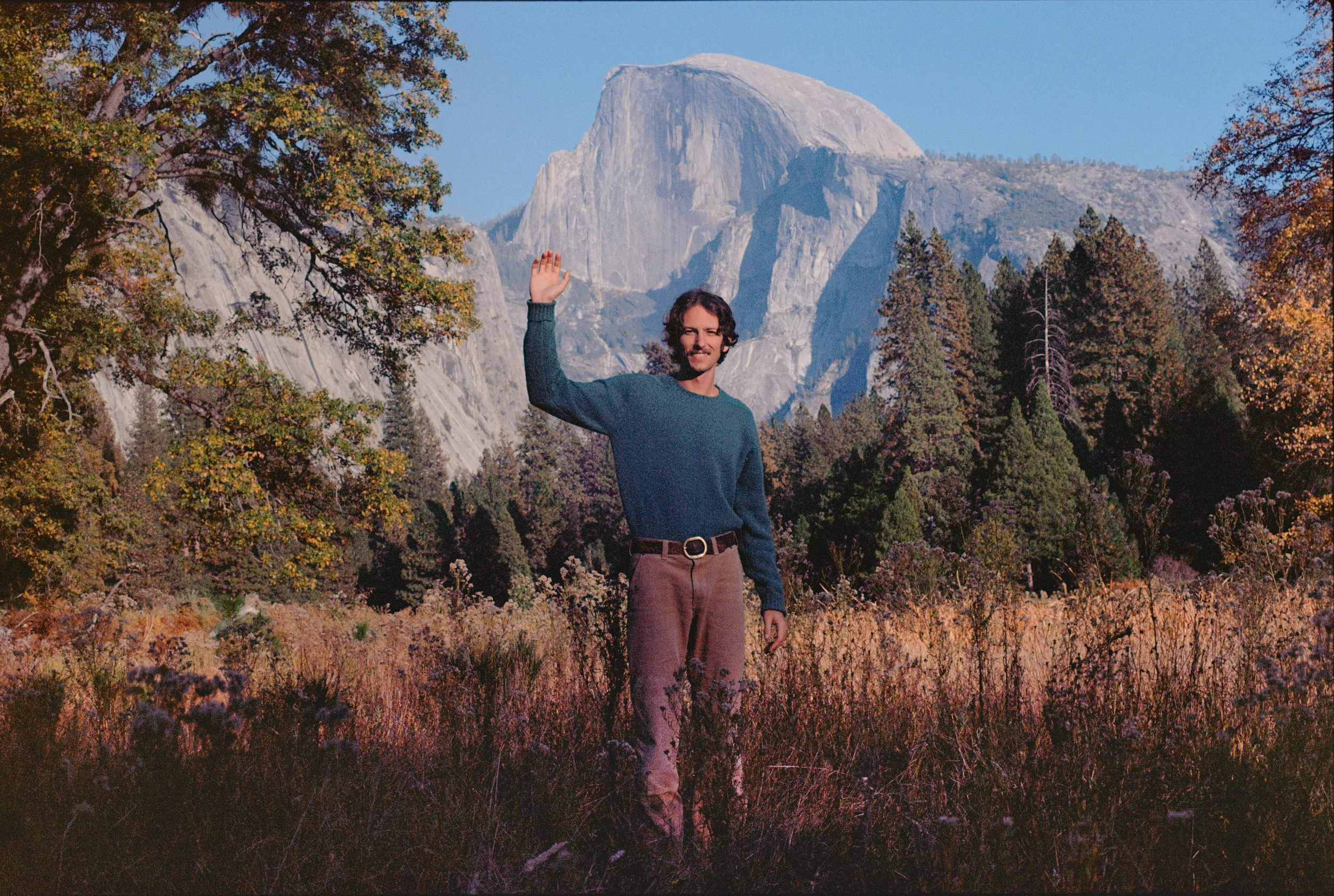
Photo by Jackie Domi
IN ANOTHER LIFE, ALEX AMEN THINKS “IT MIGHT HAVE BEEN COOL TO BE A DOCUMENTARY FILMMAKER WORKING FOR NATIONAL GEOGRAPHIC– or making climbing and sailing documentaries.” He briefly attended film school but left after realising his calling to music was definitely stronger. In this life, Alex is a remarkably talented songwriter and musician, whose music resurrects the comforting warmth of 70’s folk, while also drawing on perhaps unexpected references, such as Stevie Wonder. Undoubtedly moulded by his unconventional lived experiences: growing up in Texas, leaving for California where he spent time living on a commune, isolating himself on a secluded island in Washington where he diligently refined his craft and now living in Brooklyn. Alex’s debut album Sun of Amen, releasing June 12th,reflects his commitment to engaging with the natural world and being present in life. It offers a much welcomed retreat from the overwhelmingly fast-paced chaos of the world today.
His pull towards making music began from a very early age. Starting to play as young as four years old, “I gravitated towards the piano when I would visit my grandmother’s house. I played [her keyboard] enough times that my parents were like, oh, I think something’s going on here,” recalls Alex. Coming from a music-loving family, his grandparents started him in piano lessons which he described as the launching point of his music journey.
“As I got older I guess I learned more songs which I think is a huge part of writing songs,” explained Alex, describing his progression from writing lyricless “little songs in these little tiny areas of the piano,” as a child, to crafting the tender and compelling melodies featured on his upcoming record Sun of Amen. “It’s kind of like [being] a baker or a good chef, you need a really broad view of how to make a lot of different dishes before I think you can start to have your own spin on things… [Songwriting] is a blend of the craft and working, and being present in life, allowing yourself not to work so that you can become inspired and have perspective to write about.”
Sun of Amen is an exploration of his early adult life: “the things that [he] learned, found or lost.” Written in the wake of a big heartbreak, “I guess everybody’s got to have one of those [types of records], and so that’s what this one is for me,” says Alex. When it comes to his inspirations, he restricts himself neither by genre nor medium, listing American novelists John Steinbeck, Mark Twain and Tom Robbins alongside the Beatles, Gordon Lightfoot, Jim Croce, Carole King, Ray Charles and Nina Simone.
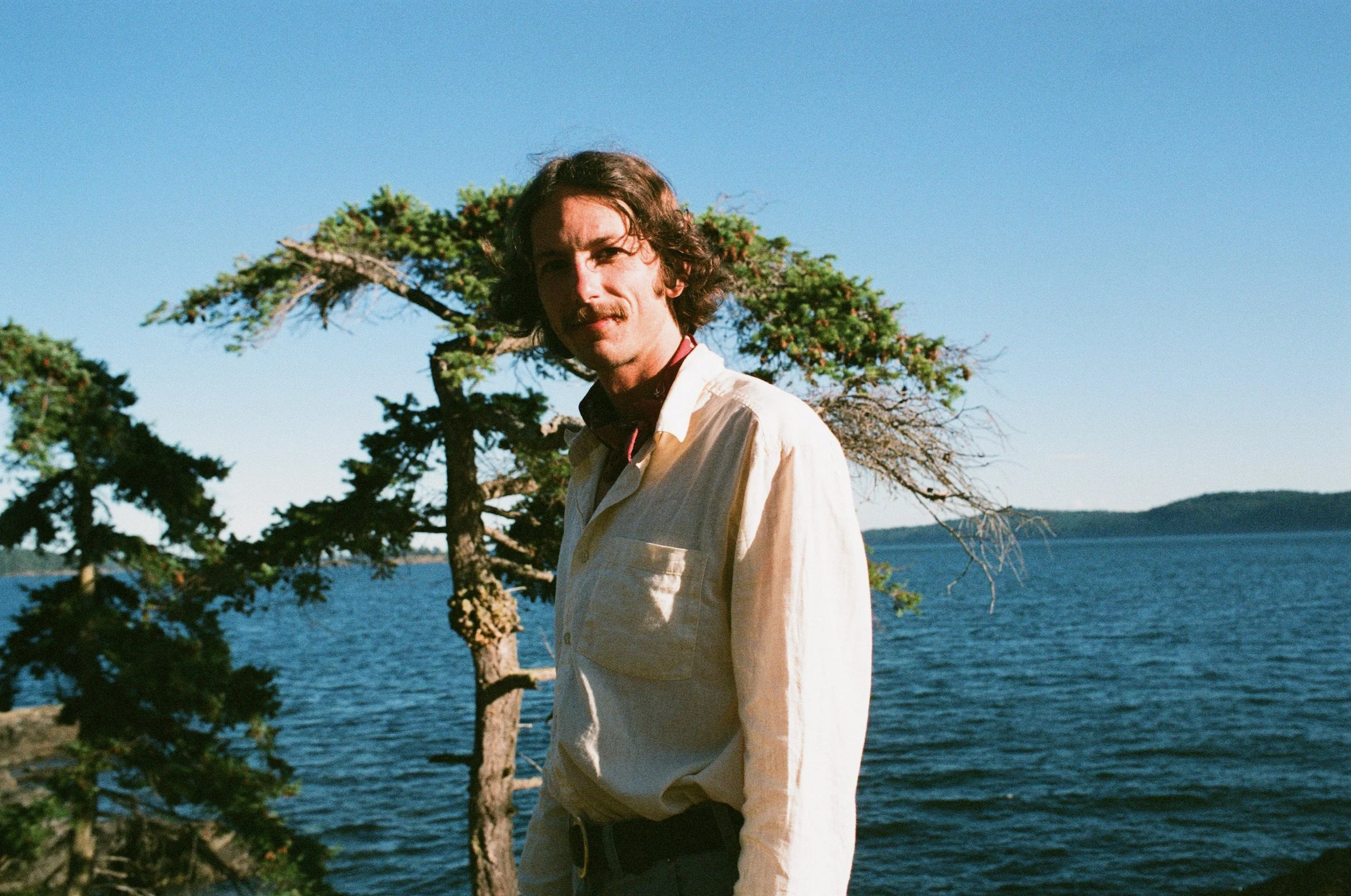
Photo by Magnolia Ellenburg
ALEX: I’ve been listening to so much Stevie Wonder recently and I think you can find information and inspiration anywhere, through any genre. I wouldn’t say that the record I just made is anything close to a Stevie Wonder record but there are certain chord changes or even certain concepts in those records that can inspire you to start thinking about getting creative in a different way.
When asked about his “no skip” albums, Alex listed numerous records without hesitation that he considers to be perfect. The Grateful Dead’s Workingman’s Dead, Neil Young’s On the Beach, Plastic Ono Band and almost every J.J. Cale album all made the cut. “There are just tons, but then there are certain records where it’s like why did you put that one track on there? With certain Dylan records I’d say some of them are perfect but then there’s a ten minute song on there. I’m just not always in the mood for that, you know? But I think that’s a different thing for me. If I think about a Smokey Robinson record or something like the Mamas and the Papas or the Beach Boys, there are certain types of albums or genres where the mood is so consistent [throughout] the entire thing. Like Catching Fire Bob Marley, you’re [so immersed] in the world that there is no skip. There’s no reason to do it because you’ve decided that’s the mood you want to be in.”
PETTY: That’s a great point. With certain albums, the artist has crafted such a specific mood or world, but with social media and the ways people find and listen to music now, not everyone is going to listen to an entire album anymore. How did you navigate creating a record while taking into account the way music fits into modern life?
ALEX: I think when I started [my album], it was almost fifty minutes long and I decided to cut out over ten minutes of it or so. That was a modern consideration. In the mid seventies with bands like Pink Floyd, or to mention Stevie Wonder again, albums got long. Certain records are just very long and I think that people got accustomed to the forty or fifty minute record because attention spans were still big. Now, I think we're seeing a revolving door back to shorter records because nobody has any attention span. People almost only listen to music when commuting now…Most people don’t sit down and put on a record and actively listen to it. I think on my end, I may try and make the record shorter but also I’m not making pop records so I’m not totally concerned with the metric as much as I am trying to make the artistic statement. How much can I get across before it’s too much? It’s kind of like a show. When I grew up I was dragged to a lot of church services where I hated the music and I would have to sit through this crap. I need to do eMDR therapy or something like that because I still go to live shows and I’m ready to go all the time. But I think one of the marks of a great show is when I’m really into the music and it ends before I’m ready to go.
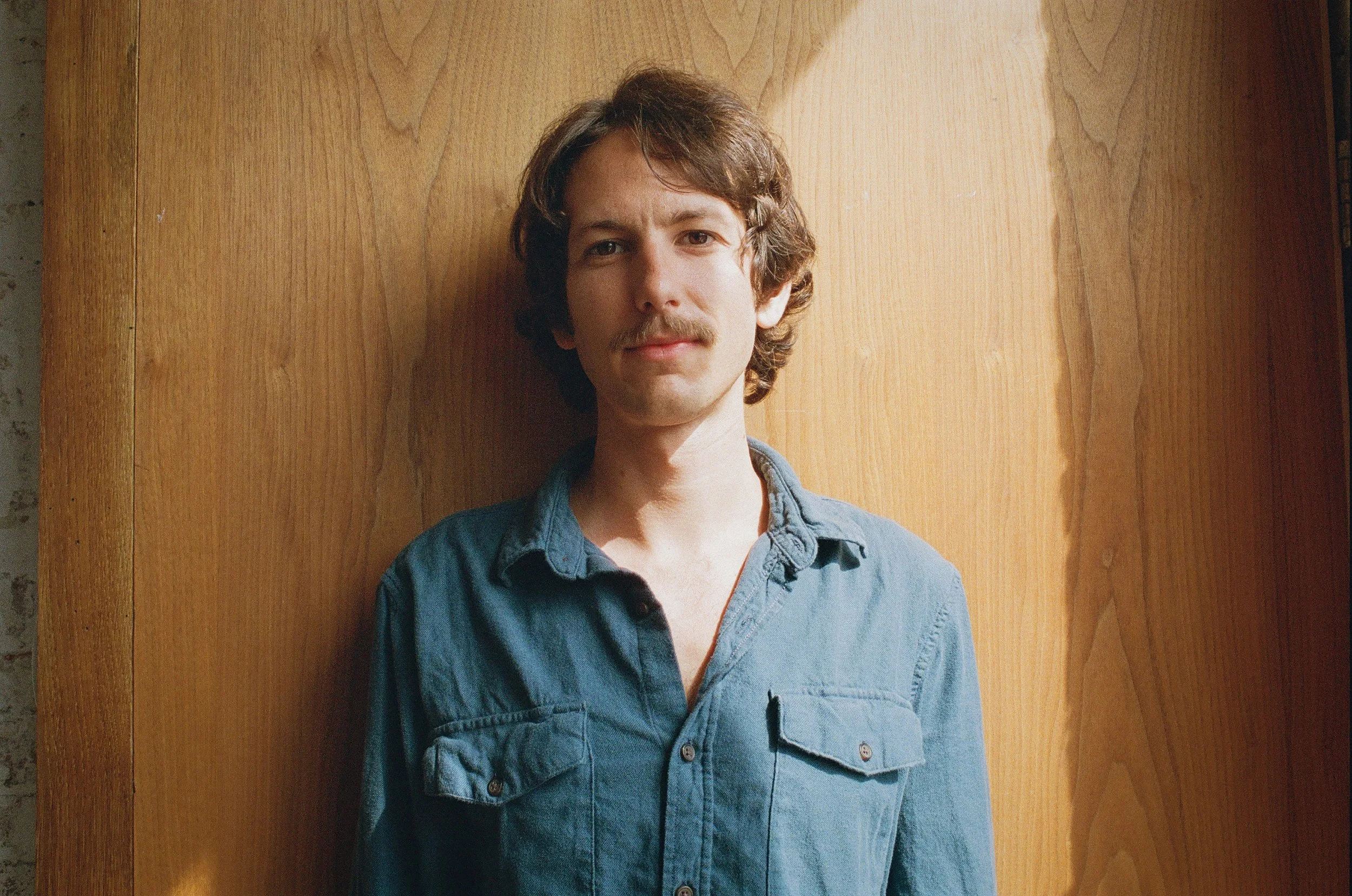
Photo by Magnolia Ellenburg
PETTY: What’s the most memorable show you’ve been to?
ALEX: I’ve got two answers for that. When I was fourteen, I got kicked out of English class because I was making a joke about Shakespeare, Benvolio or something. I had gotten into Sub Pop, the label, and saw they had an artist on his first album run at the time. It was Father John Misty's first show in Houston under his new record. It was really trippy because I noticed him staring at me during the show like, why is this fourteen year old kid here? It was the first real show I ever went to on my own. A year later I saw Mac DeMarco on his Salad Days tour. Me and all the other fifteen year olds were smoking cigarettes outside of the venue. I got front row and I remember when the opening band came out they all looked hungover and sweaty and the fucking room was packed and there was this energy. I remember looking at them and I thought, this is what I'm gonna do with my life.
PETTY: The analogue and being present in life are really important to you. You've done boat building, mountaineering, mycology and so much else. Is there anything still on your list of things to learn?
ALEX: I feel like I'm pretty decent at sailing, but I'd like to get better at navigating without technology, using a sextant. Honestly, the big thing that I've been thinking about recently is [that] I'd like to get better at cooking. Especially now, being in a band, it's just so hard, you know? We're always travelling and you're always eating crap and most food nowadays is so poisonous, so I'd like to be a bit more intentional about cooking. I think that would help me slow down in general. I'm trying to work on not having everything being so instant and that's a hard thing to have to battle in the modern world. We're kind of conditioned to just want and expect everything so quickly and I don't think that's how we're designed to live a fulfilled experience of life.
PETTY: Yeah, it's really hard. I try to live quite slowly, but then you're expected to be instantly reachable to fifty people at once. It's just really unnatural.
ALEX: Yeah it is very unnatural. And it's an unfortunate part of modern life. I really do think that we created better things and we lived a better quality of life when we were a little bit more unreachable. We've made huge improvements in medicine and our approach about how we're supposed to treat each other, but I think in terms of daily life and how we're expected to live, I think we've moved backwards… [In the past,] there was a lot of time for thinking and there was a lot of time for reading and there was a lot of time for being alone. I think that's something that's very much lost. I remember an old guy telling me about the lost art of laying on a couch and staring at the ceiling, you know, and just thinking. I think a lot of innovation and art comes from boredom and we're just not bored anymore. You have to be really intentional to be bored or to separate yourself from all the noise. Unless you're like “I'm going to get rid of my phone" or “I'm not going to have social media” or certain things like that, I think it's almost impossible because it's so addictive. I've done those things and it still was kind of impossible.
PETTY: Yeah, it makes making plans with other people really hard.
ALEX: Because you have to have everybody [else] buy into it. I always think about how crazy it must have been to meet a new person out or to meet a romantic interest out and be like, “oh, wow, so nice to meet you, are you free next week?” And they're like, “sure, I'm free Thursday.” “Okay, let's meet at this bookstore.” And how crazy it must have been to just show up and be like, well, I hope they come. But also, how much more magical is that experience? As opposed to “here's my Instagram,” and then you go and stalk them. Realize every little aspect of somebody before you ever even meet them. That's lame. I don't like that at all.
PETTY: You seem to have a really lovely music community. I think that’s how I discovered you actually, I saw a video of you and Sunfingers playing guitar together. How do you navigate balancing solitude and being alone with your thoughts with also building community?
ALEX: That’s a great question, because it’s very difficult to find the balance between investing in yourself and investing in the people around you when you're an artist. I think it's a balance I'm still trying to find. These past couple weeks I've been playing with the electric band that I play with, Grass. When you're doing that, you don't really have time to write for a solo project, or maybe you're spending a song that you maybe would have put on a solo record because it works a bit better with the band. I think it's all a balance. It means double the work and you just have to be okay with that. Luckily, on my end at least, I've always had a very natural relationship with songwriting and the songs have always been there so I don't feel too greedy with them because they keep coming. What's exciting to me about the band and the community that's around me is that it's looking at music in a way that's not solely focused on your perspective. So much of the modern music industry is built around this idea of an individual so it's nice to get away from that.
PETTY: We're both in our mid twenties and you seem pretty well adjusted. Do you have any advice for getting through the quarter life crisis?
ALEX: Maybe that's my interview facade. I think we're all just figuring this thing out. Life is the weirdest experience ever. It's so weird. Every morning, I wake up and I'm like, what the hell is going on? I'm by no means a perfect person at all. I think the lessons that I've been learning recently are trying to slow down, trying to figure out how to be a more grounded person with all the noise and all of the angst that is happening around everybody, but also really trying to invest in the people around [me]. Especially as an artist, so much of your time is based around yourself and pushing this thing that you're doing. If you invest and pour into the people around you and build them up, it's steel sharpening steel or something like that. I think it's important to have a relationship with something outside of yourself that's bigger than you. I mean, shoot, I'd like some advice. I think we're all in this weird thing together.
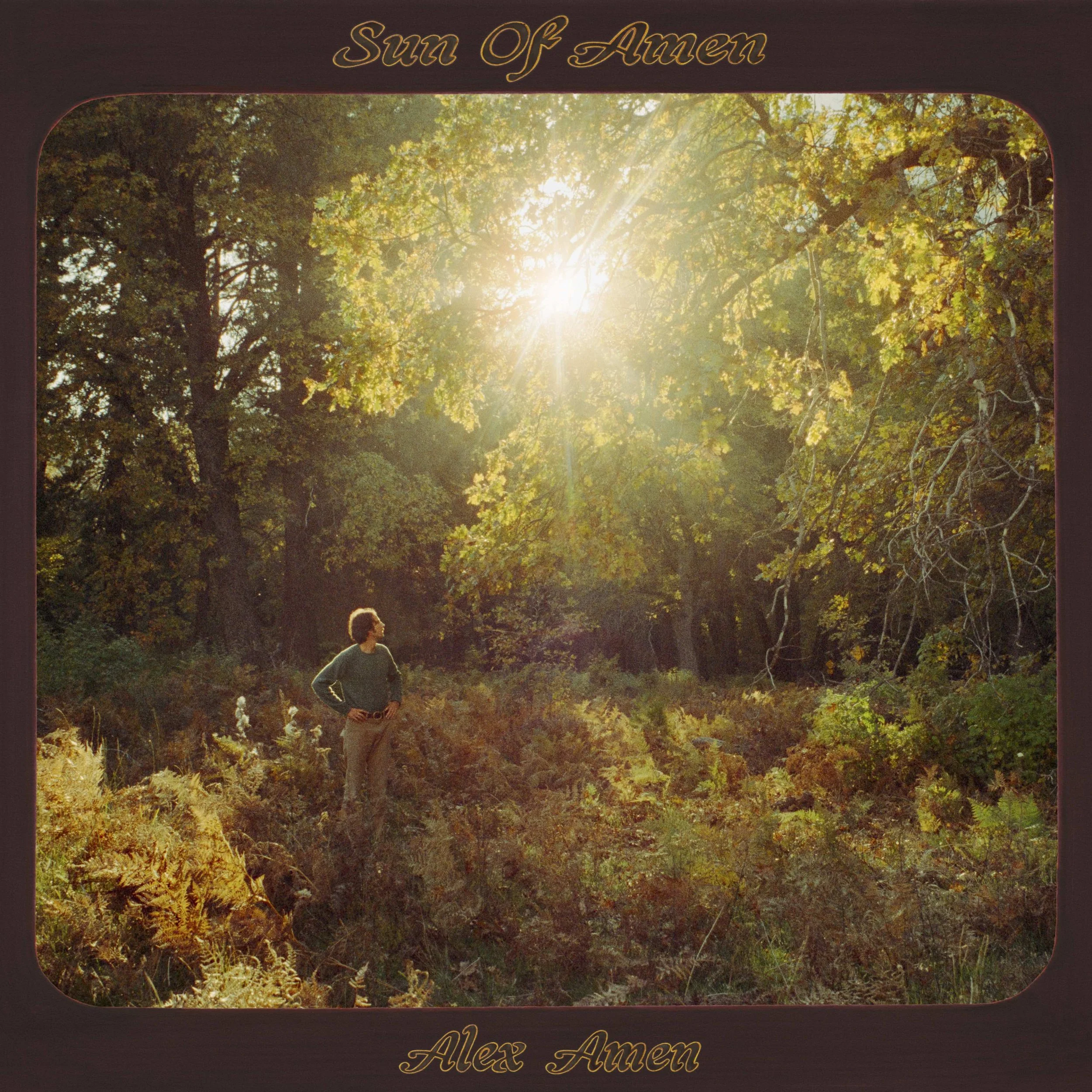
Sun of Amen album cover, out June 12th