MY 13 YEAR-OLD-SELF SPENT EVERY SUMMER CAMP DAY IMPATIENTLY WAITING FOR 3 P.M. TO ARRIVE — the moment the regular camp day ended, after-school programs began, and I was finally allowed into the gaming truck. I immediately claimed a spot on one of the oversized leather couches, welcomed by a disco ball, an animated panda, and a checkerboard dance floor glowing on the screen in front of me. As I picked my character in Just Dance, I selected the song that would become ingrained in my brain from that day on: “Istanbul (Not Constantinople).”
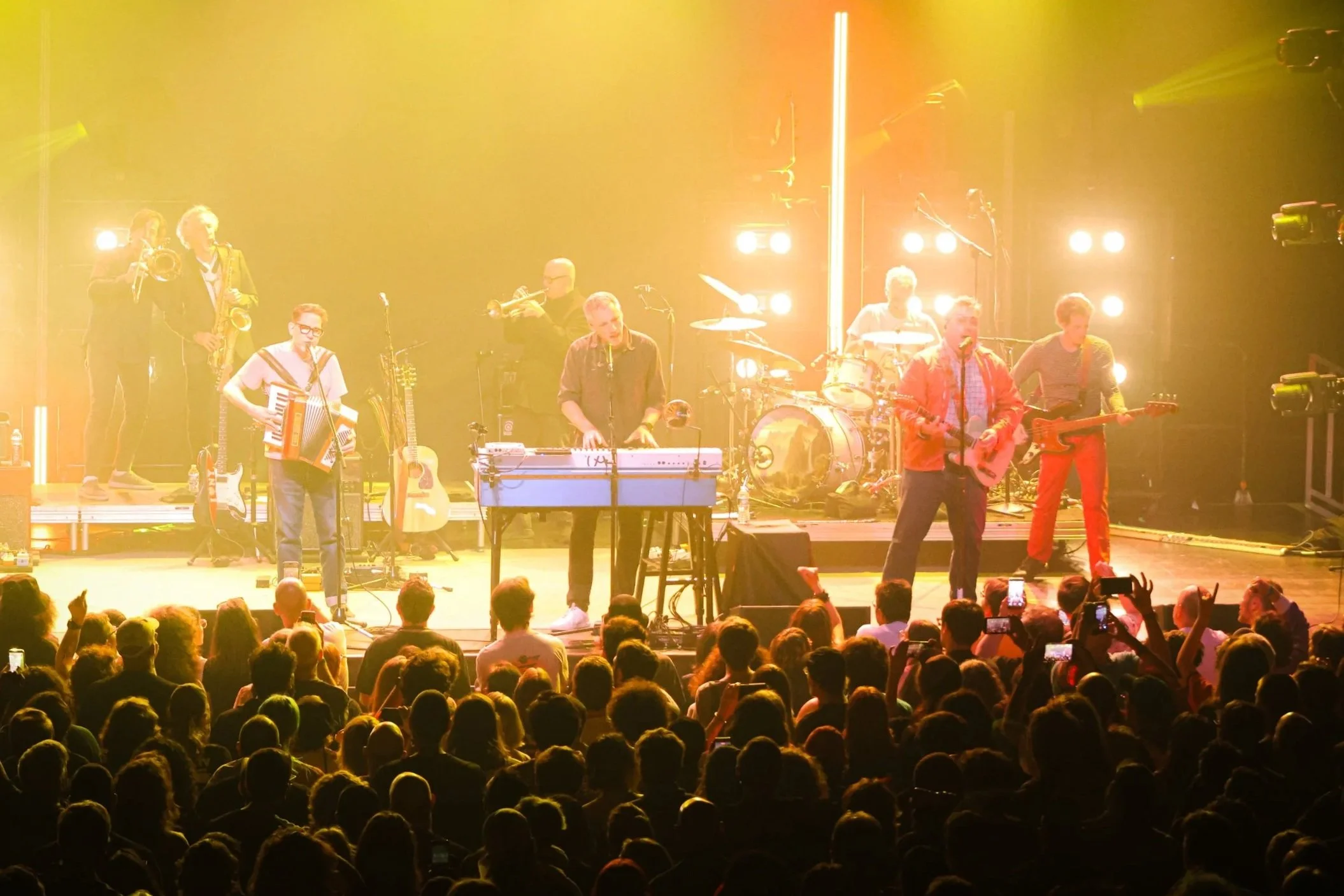
Little did I know that ten years later, I would be standing just five feet from the stage at Brooklyn Steel, watching the very band that helped shape my childhood put on a performance I’ll never forget.
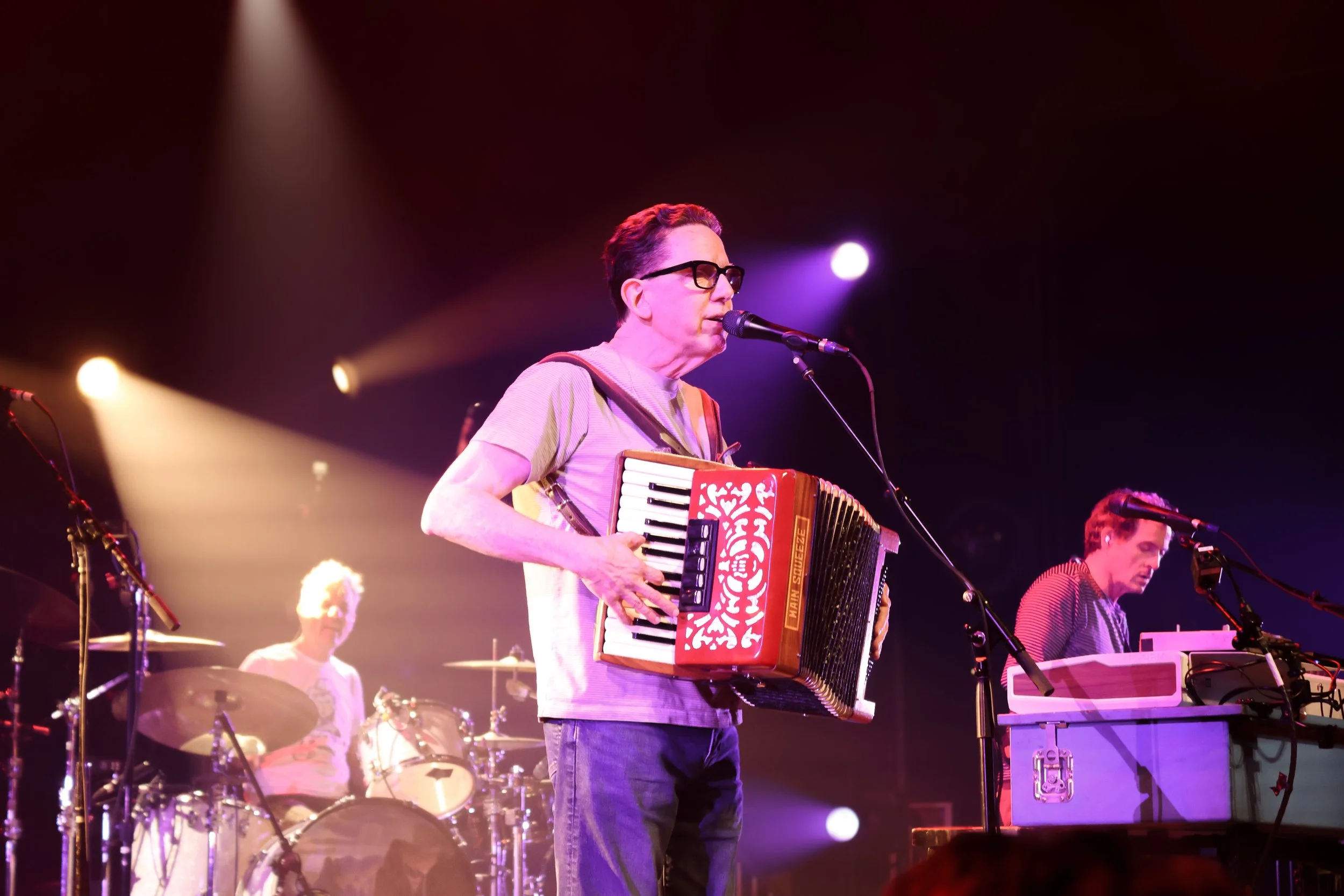
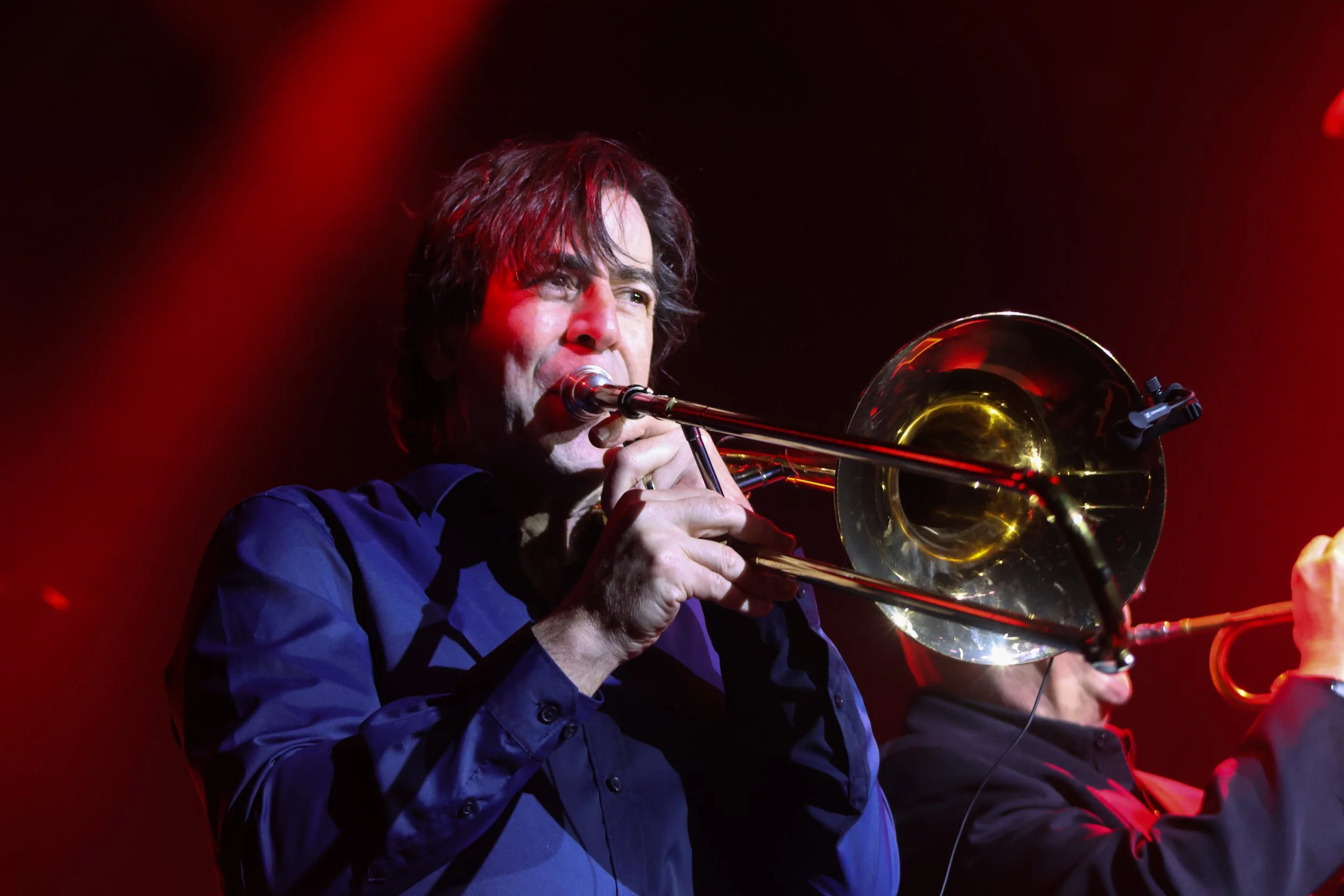
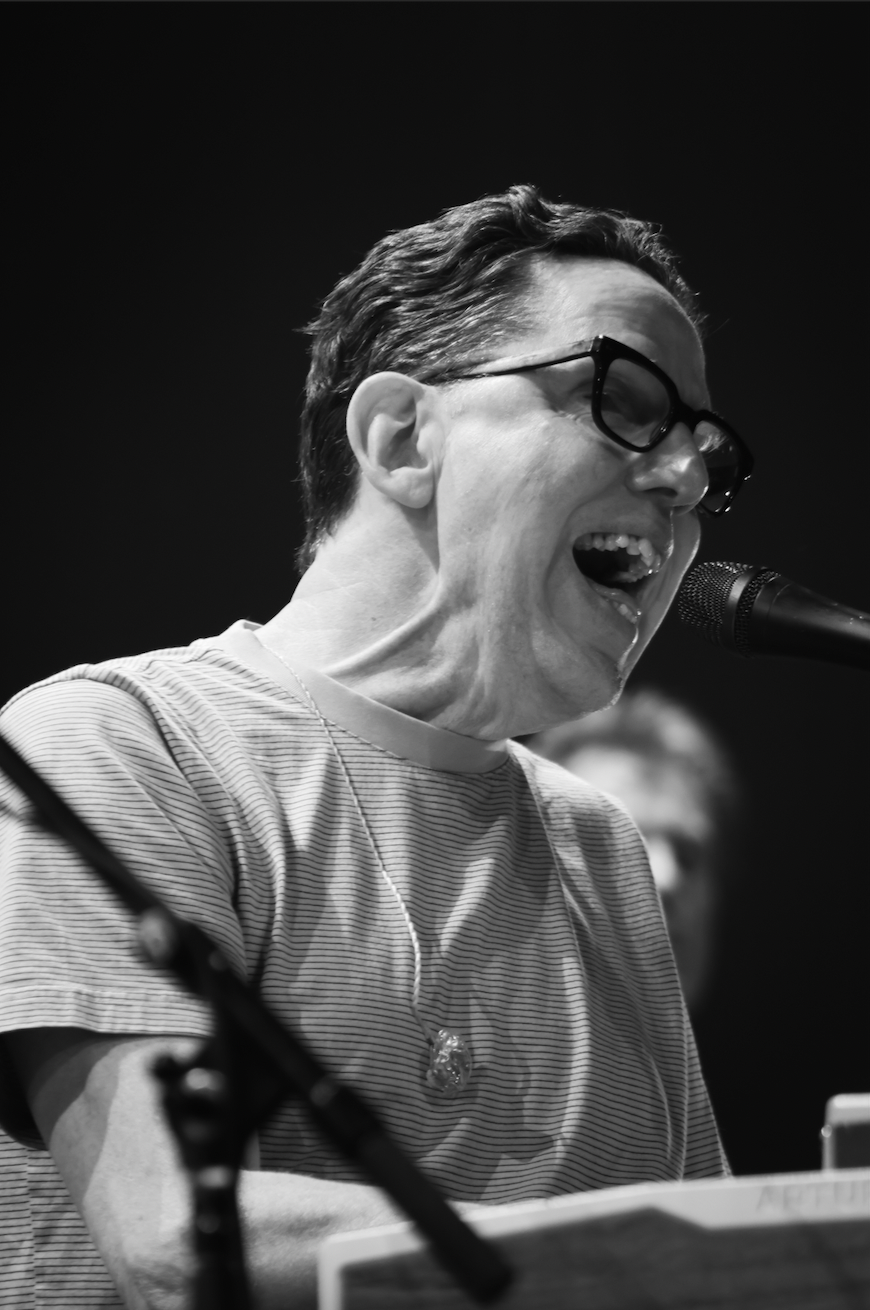
Night one of They Might Be Giants’ Brooklyn stop was both a celebration of the band's 44-year career and a full-circle homecoming to the city where it all began. Originally formed as a duo by John Linnell and John Flansburgh, the group had evolved significantly over the decades, and seeing them perform alongside a horn section and three additional band members was a testament to that growth. The setlist spanned their entire catalog, featuring songs from their 1986 self-titled debut album, They Might Be Giants, as well as tracks from their latest release, The World Is Still Here, which arrived in April.
The audience reflected more than four decades of devoted fans, ranging from people like me who had no idea how deeply the band’s music would resonate years later— to those who had been attending their shows since the 1990s. Moving between the pit and the balcony throughout the night, it became clear that every corner of the venue was buzzing with the same excitement.
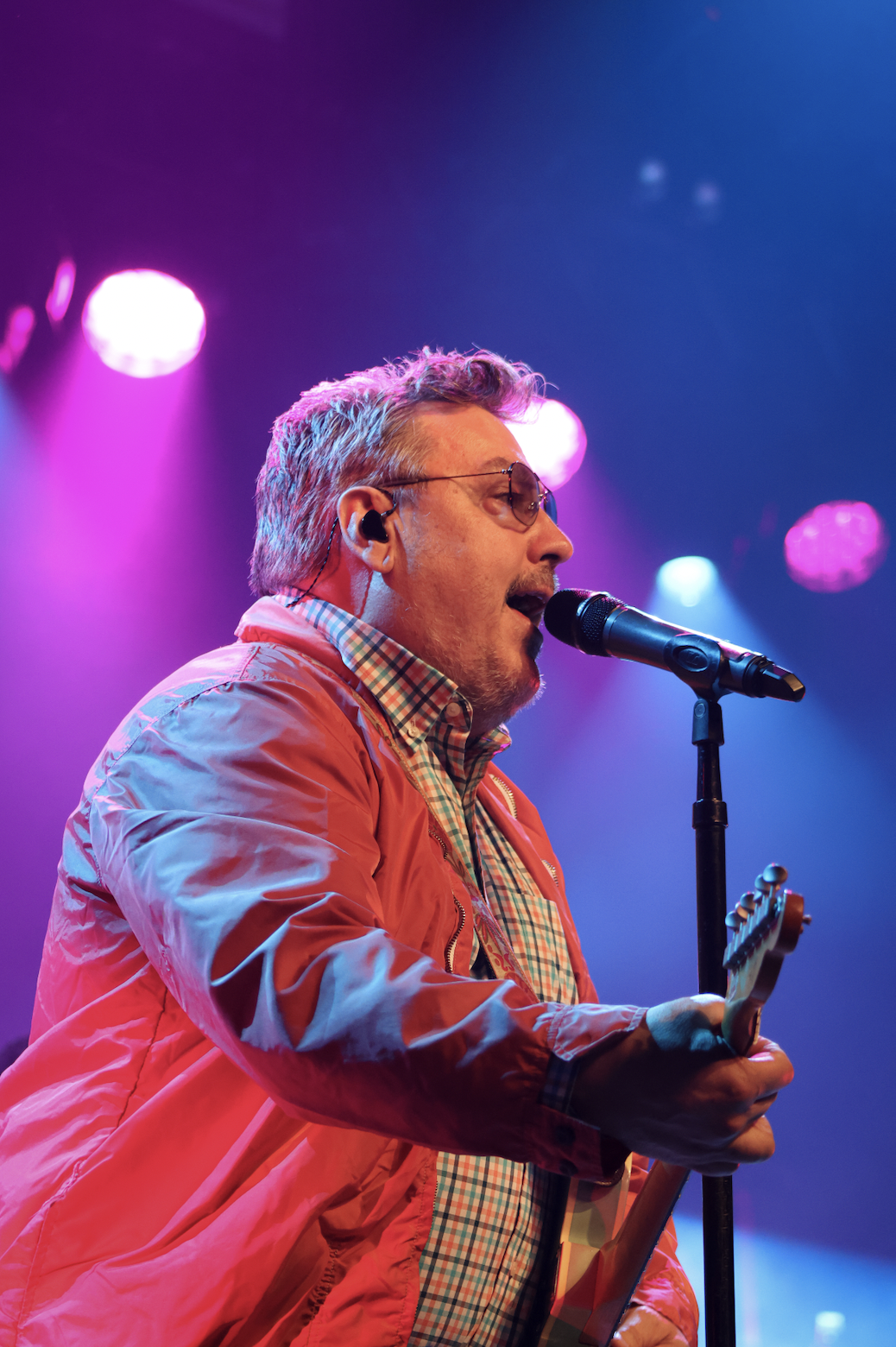
As someone who, along with my parents, has followed the band for years, seeing their ability to connect with a crowd was truly special and effortless. Their New York run spanned three nights, yet after just the first show, it was clear that each performance would have its own personality. The setlist felt pleasantly spontaneous; at times, band members could be heard quietly suggesting songs to one another with comments like, “Yeah, we should play that,” or, “Let’s do that one.” In the moments between songs, they filled any silence with playful banter and audience interaction, and the crowd was more than happy to join in. When one woman shouted, “Play this song!” Flansburgh quickly replied, “We don’t take requests!” before the band proceeded to play what felt like half their catalog over the course of the evening.
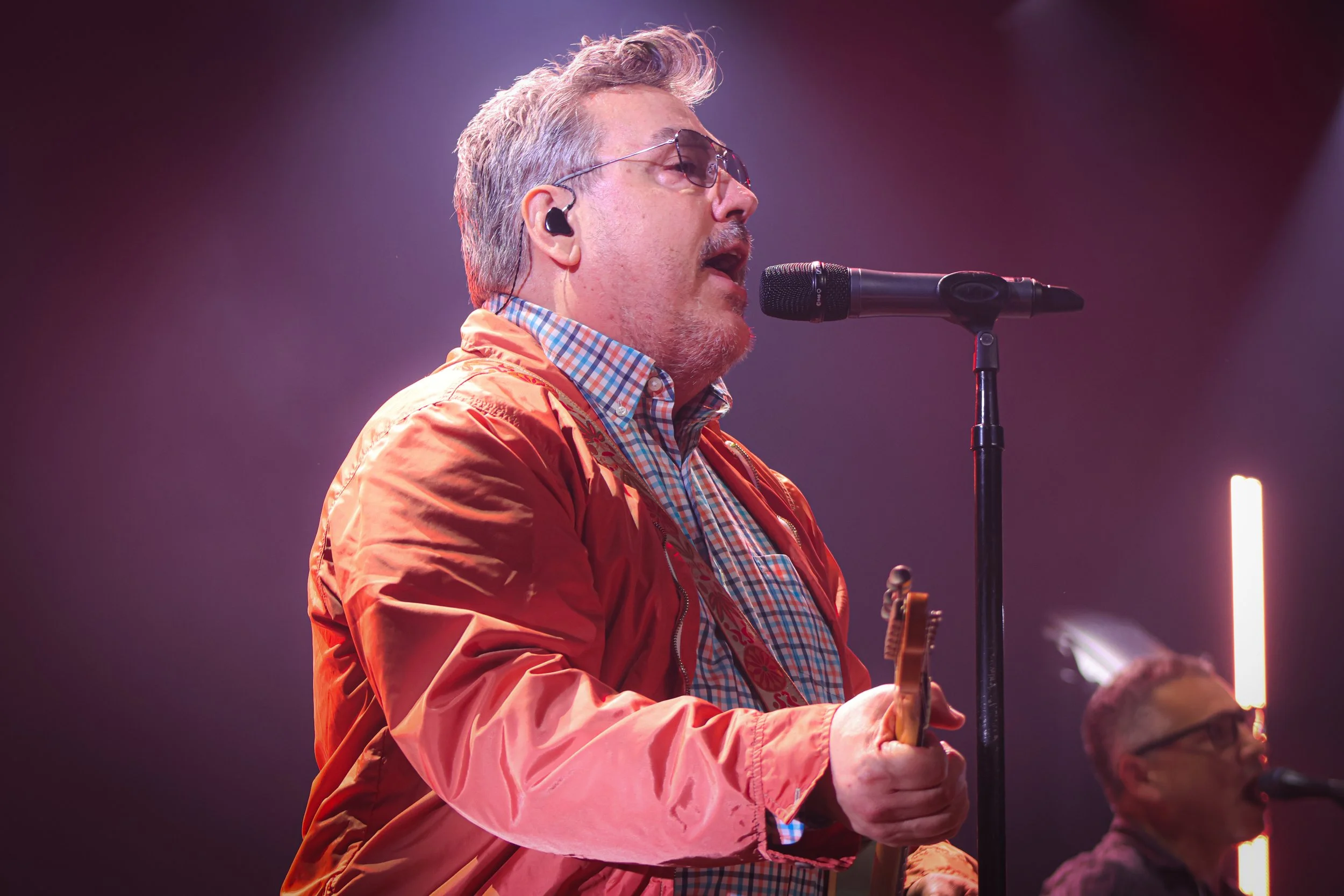
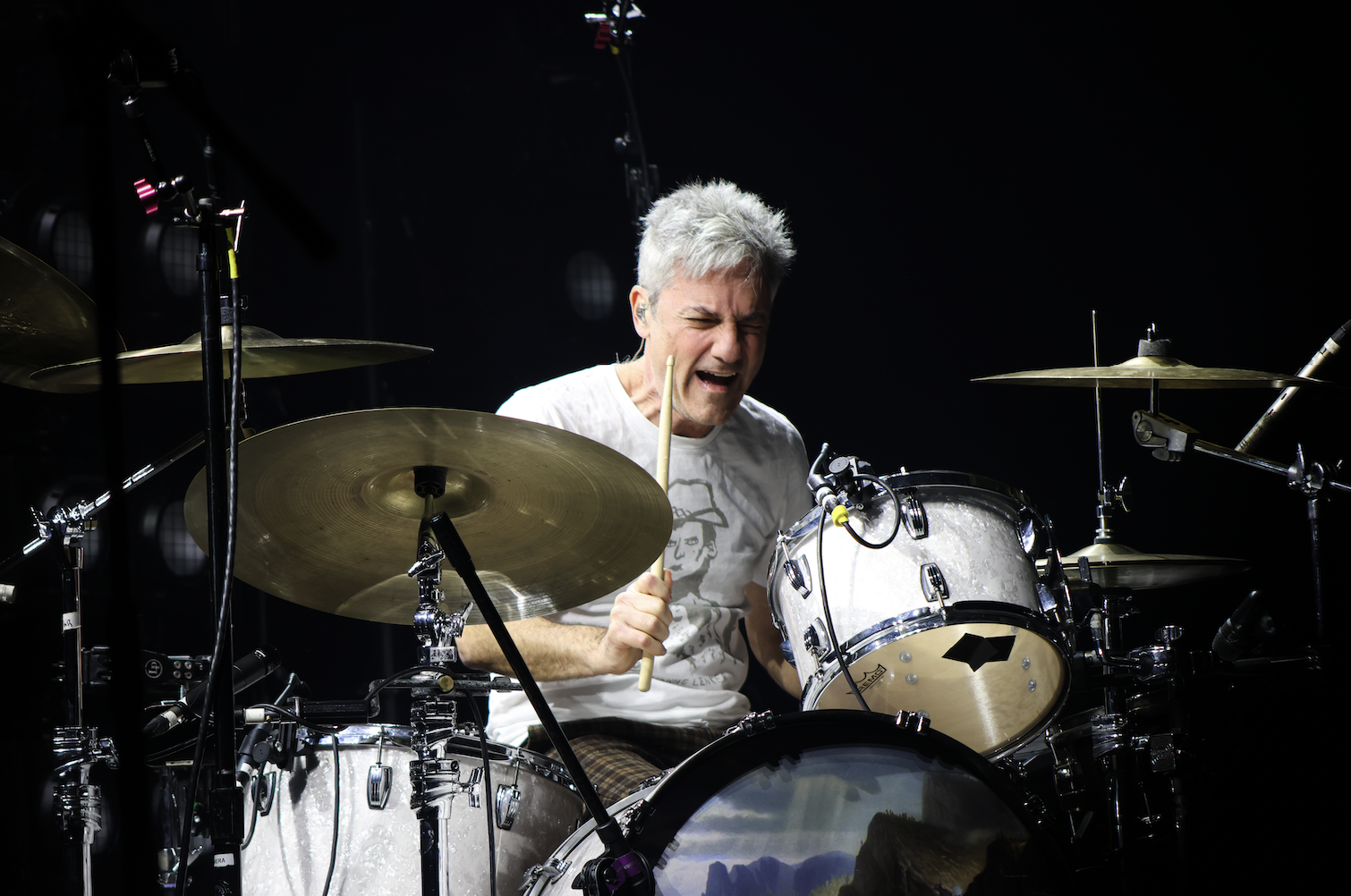
If their voices weren’t spectacle enough, I’ve always thought Flansburgh’s cartoonish delivery scratched a very specific itch in my brain, the visuals behind them certainly held their own. Sketch-style hot air balloons drifted across the screen above black-and-white cityscapes, with the band’s name splashed across the buildings. Yellow, pink, and blue lights pulsed across the stage as drummer Marty Beller clicked his oversized drumsticks together, rallying the crowd throughout the night. Meanwhile, while guitarist Dan Miller and bassist Danny Weinkauf bobbed their heads toward one another, two teenage boys in the balcony jumped up and down while a man at least twice their age air-drummed enthusiastically nearby in near-perfect sync.
From Flansburgh’s impressive high notes during “The Mesopotamians” to the sheer thrill of hearing TMBG play “New York City” (despite joking at the beginning of the night that they’d be saving the Factory Showroom tracks for Saturday’s show), I can now confidently say this concert earned a spot among my top three live performances of all time.
If there’s one thing this show proved, it’s that They Might Be Giants’ music remains just as influential today as it was decades ago— and will likely continue to be for decades to come. If you’ve yet to experience TMBG, I urge you to listen to at least one of their 24 studio albums, whether that be on your television, Nintendo Switch, or at a live concert. I promise you won’t be disappointed.