Q&A: KID SISTR DISCUSSES SELF-DISCOVERY, THE INTERNET’S ROLE FOR ARTISTS, AND THEIR NEWEST EP, AMERICAN TEENAGE PROPHECY

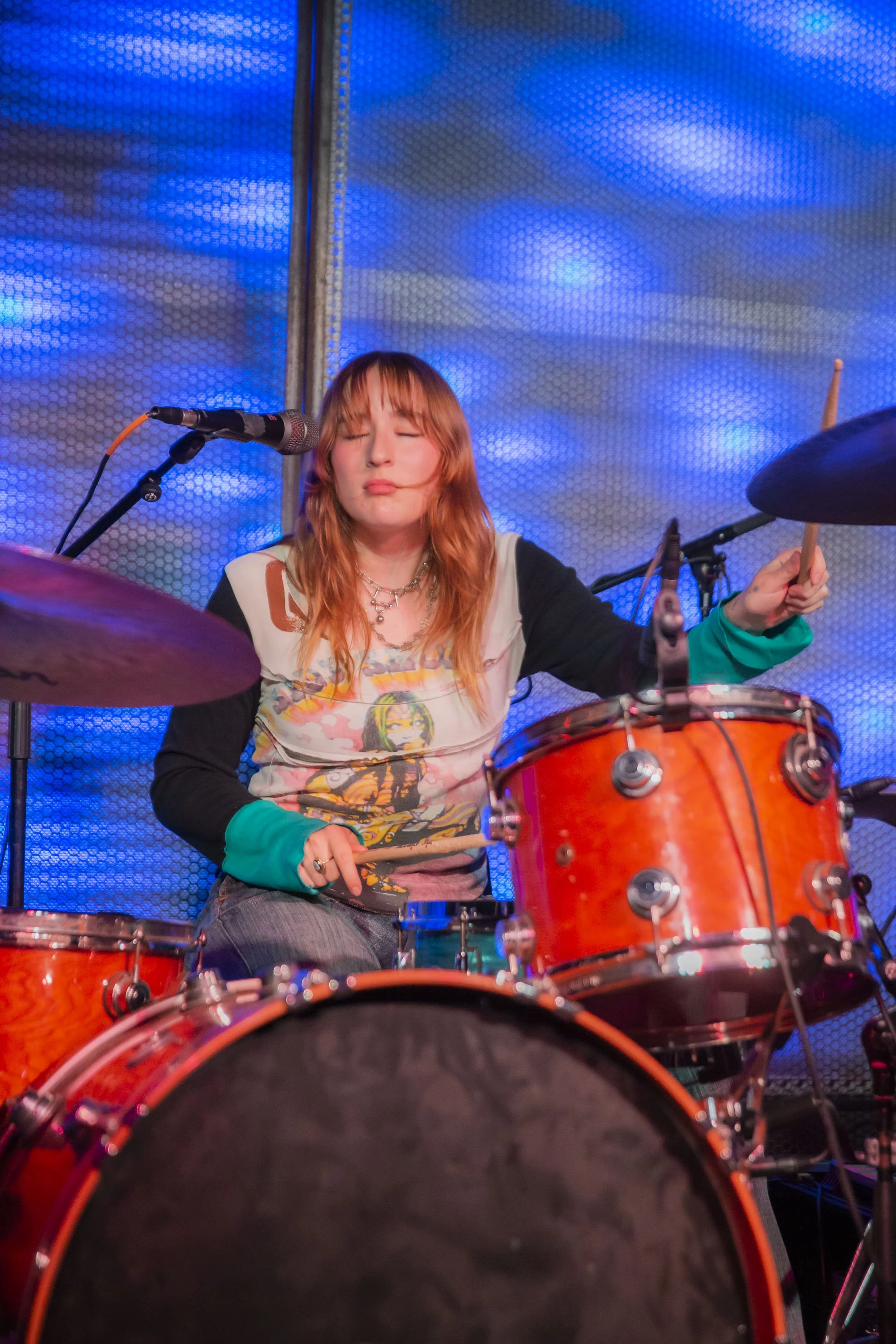
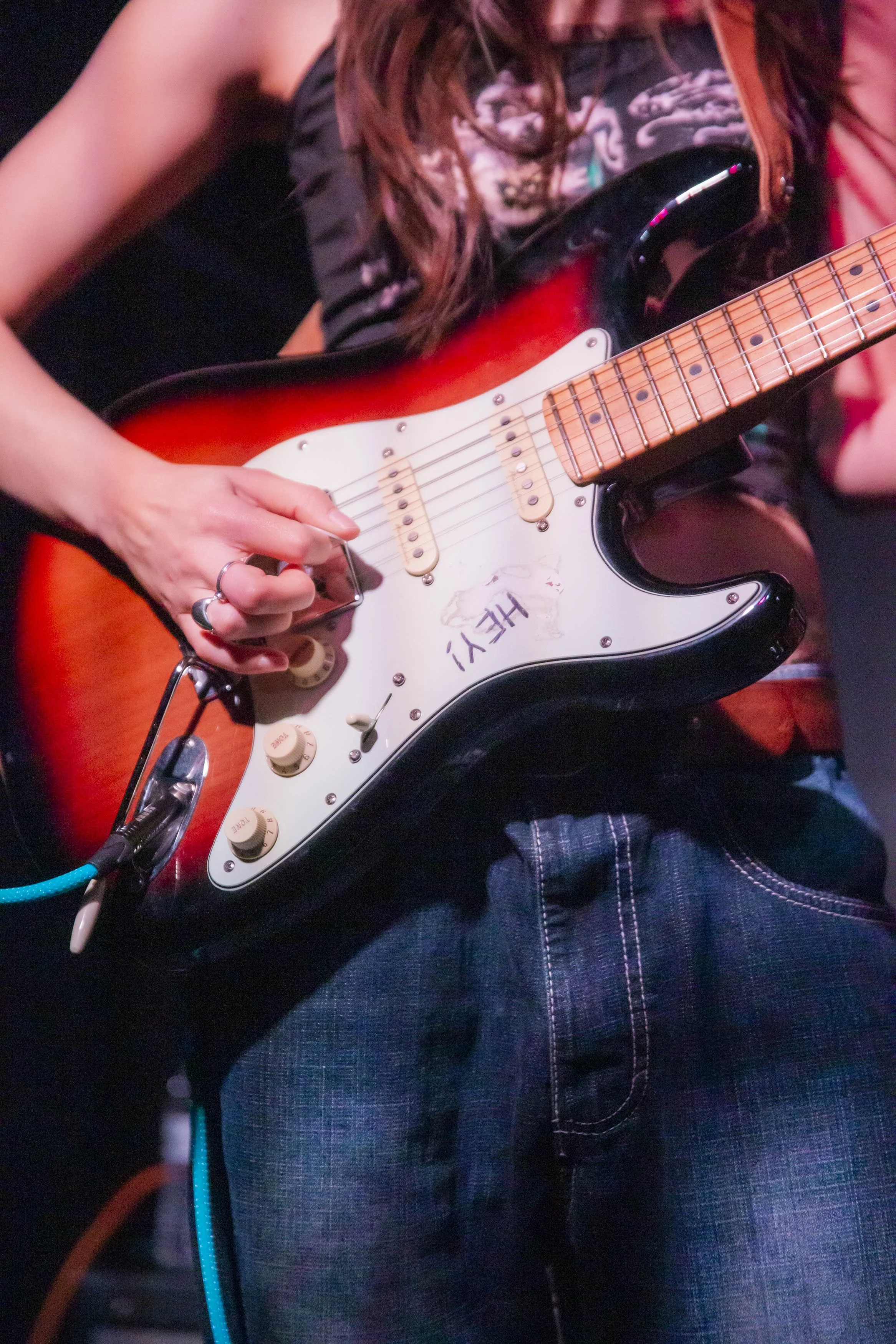
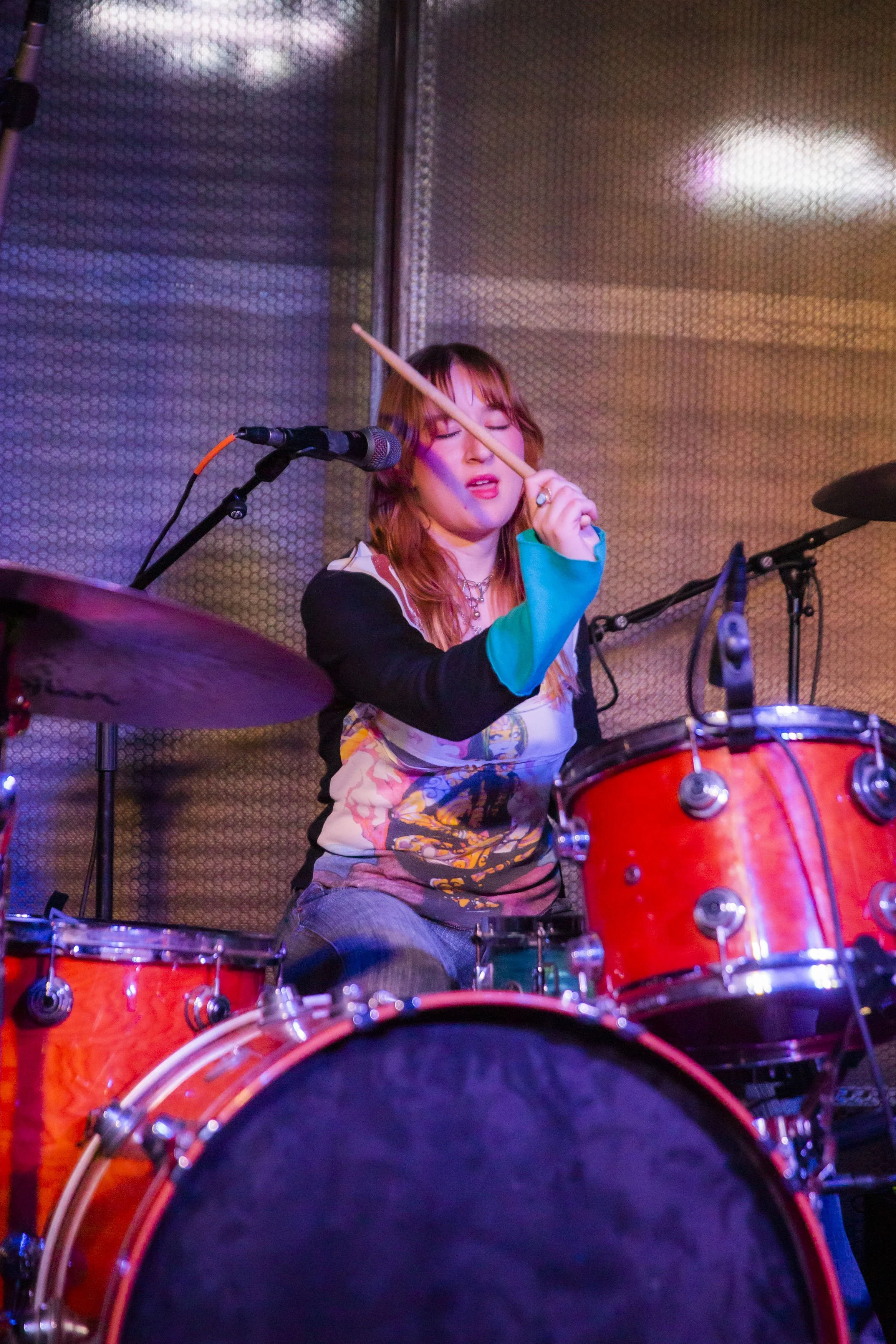
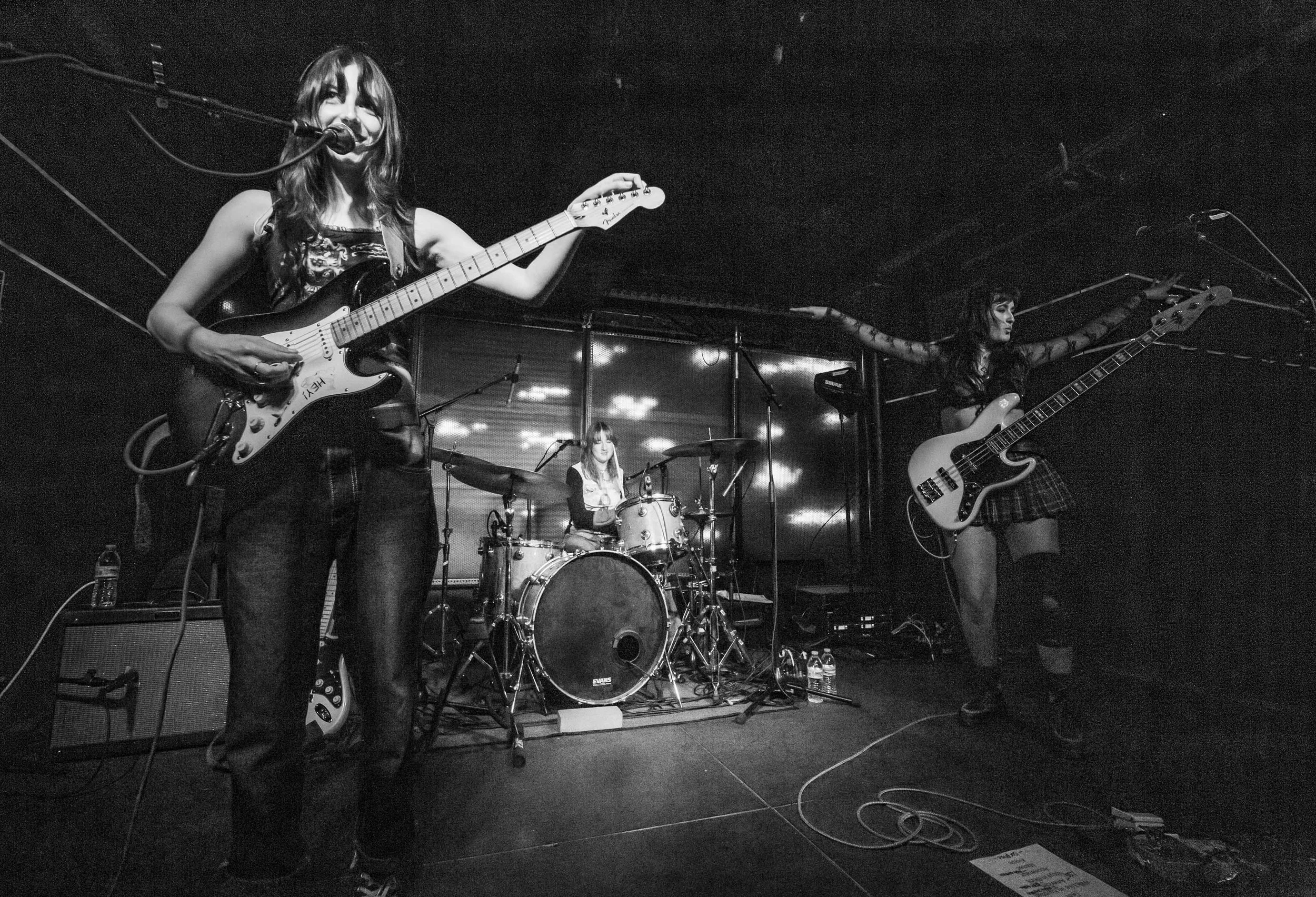
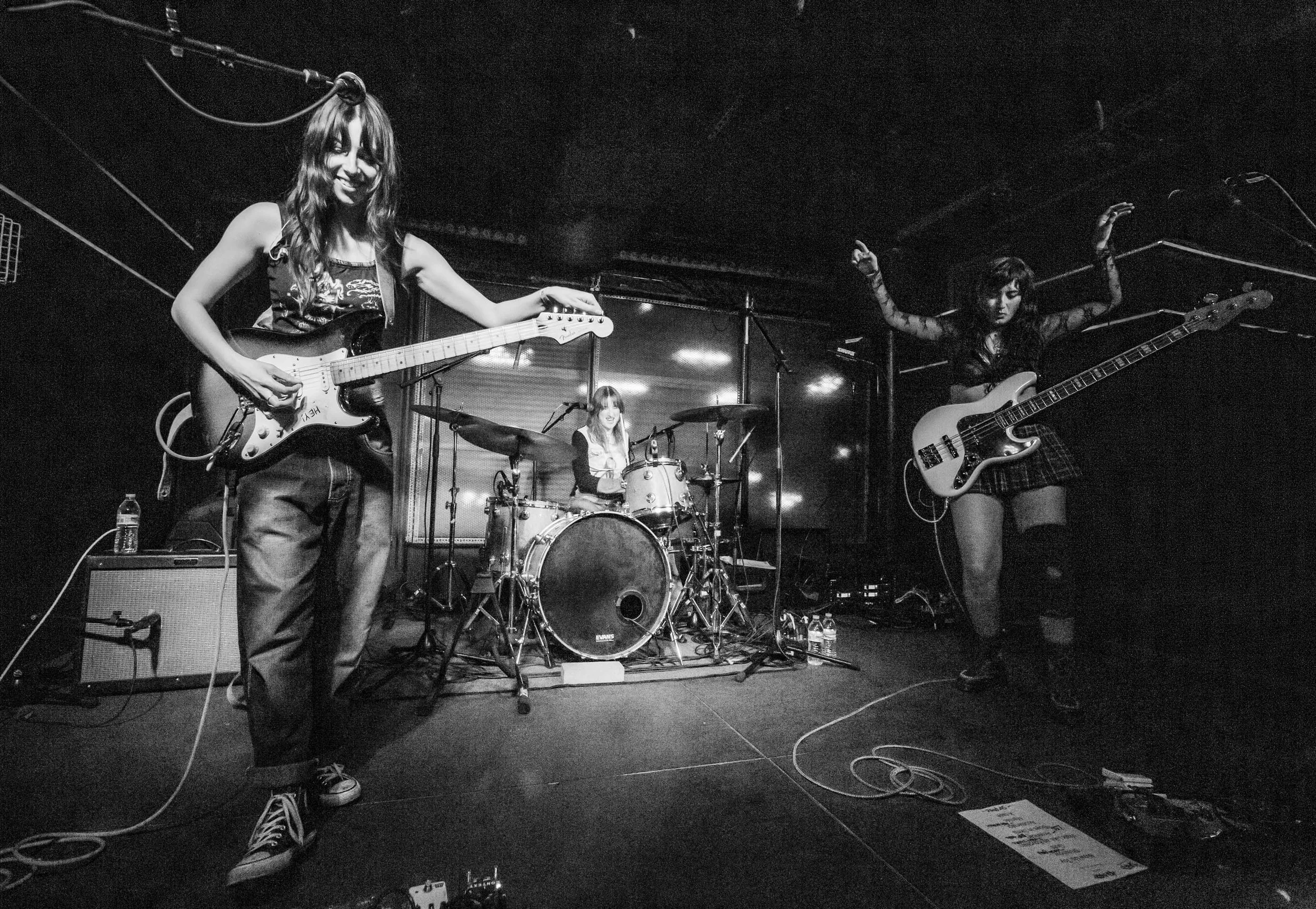
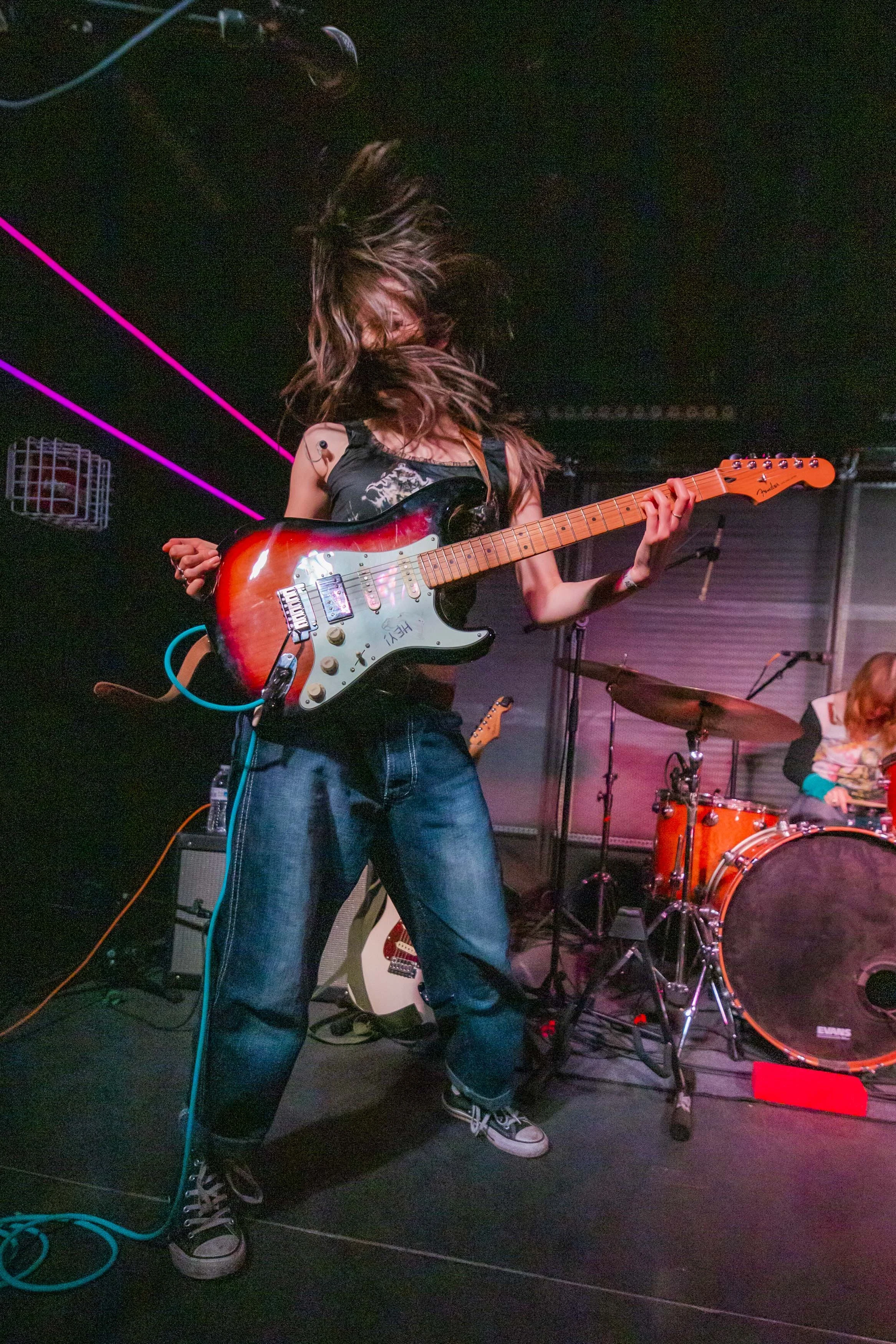
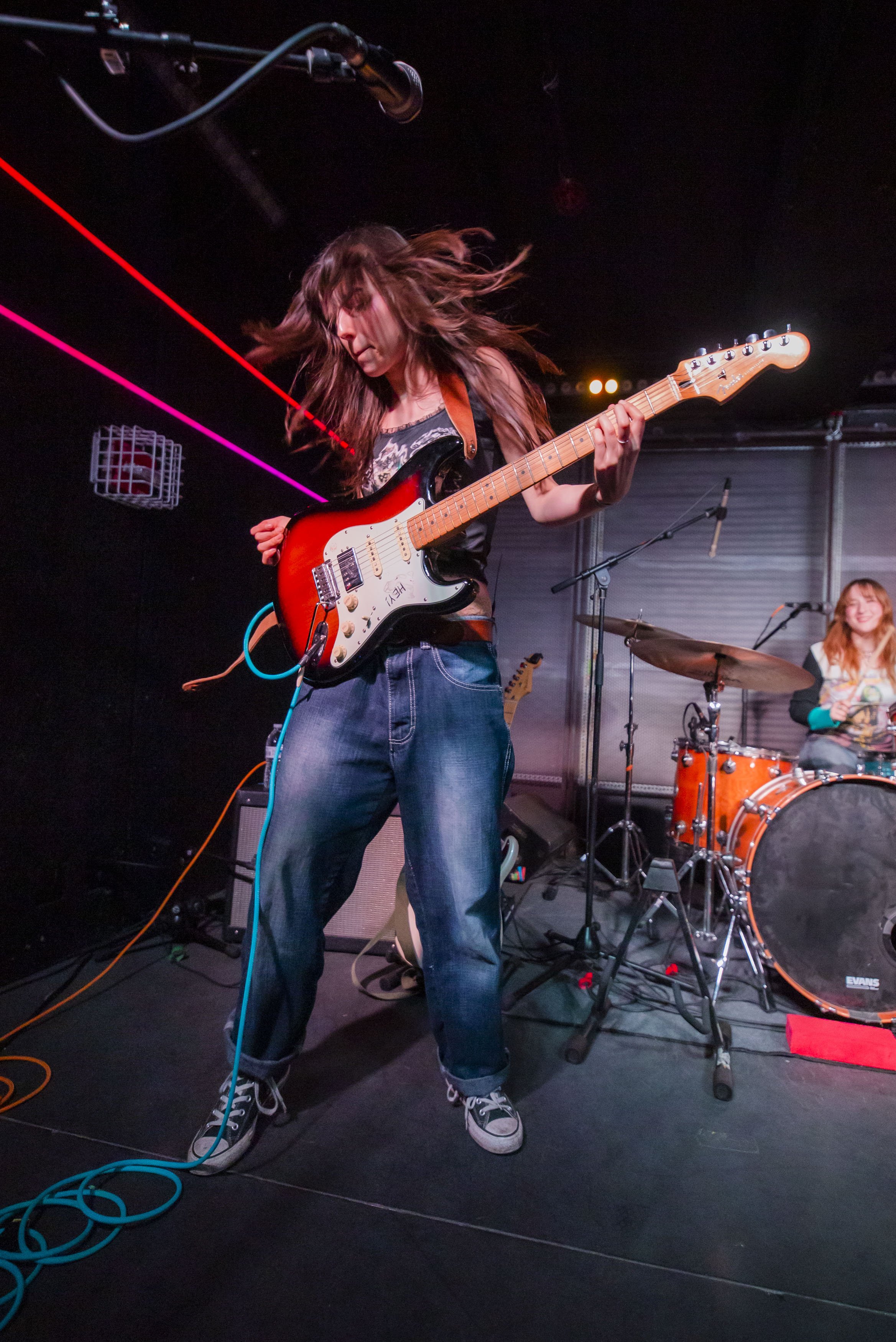
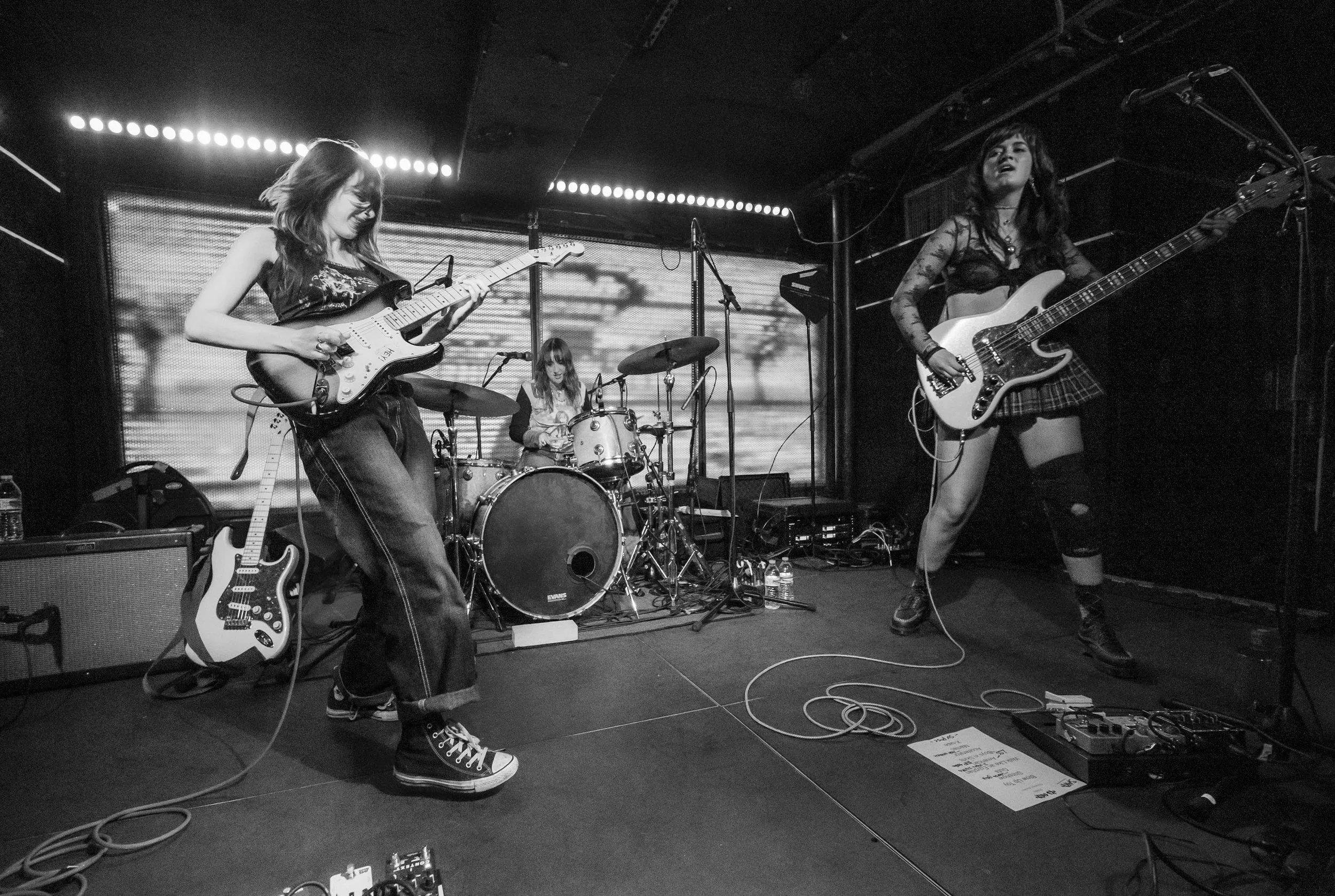
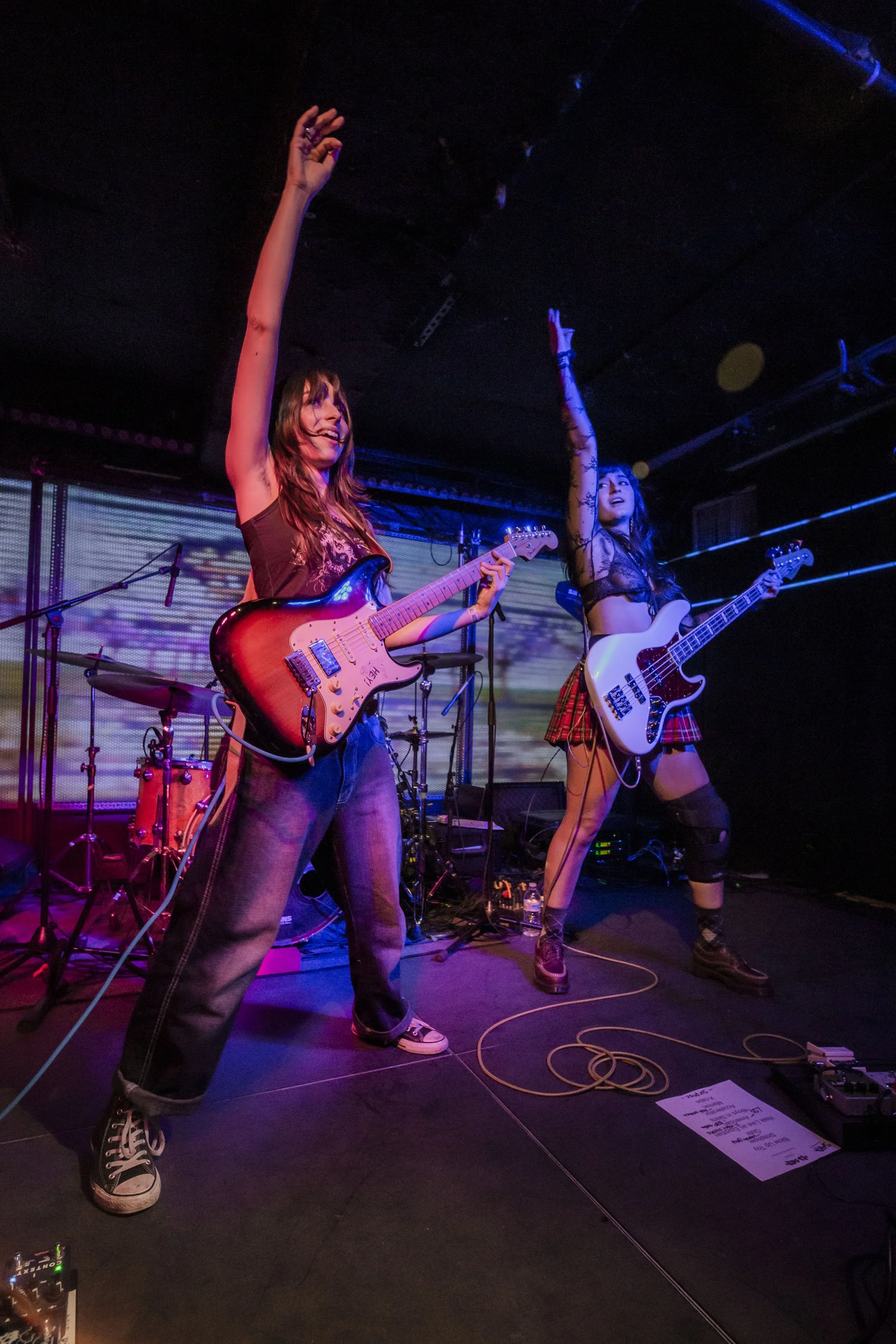
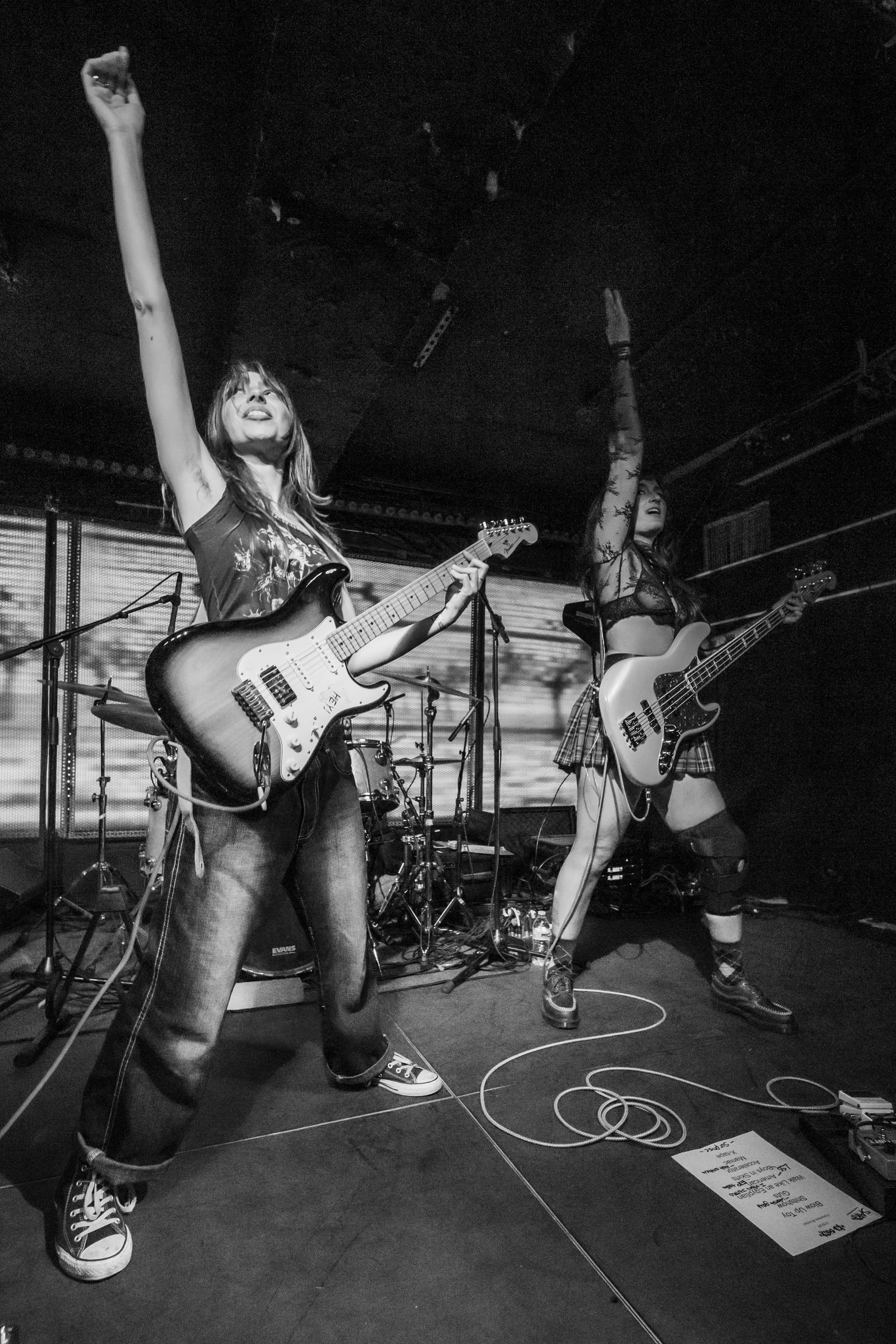
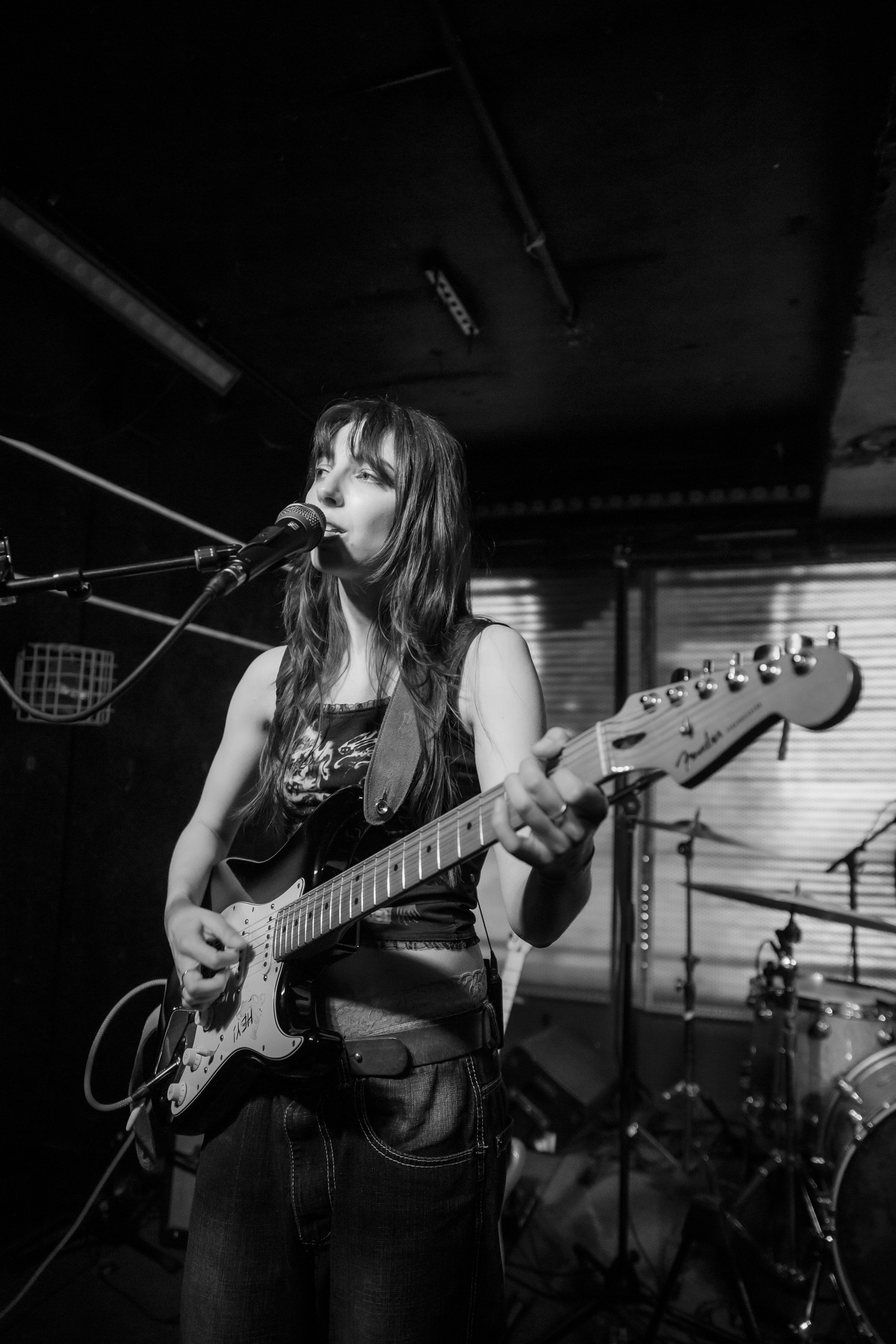
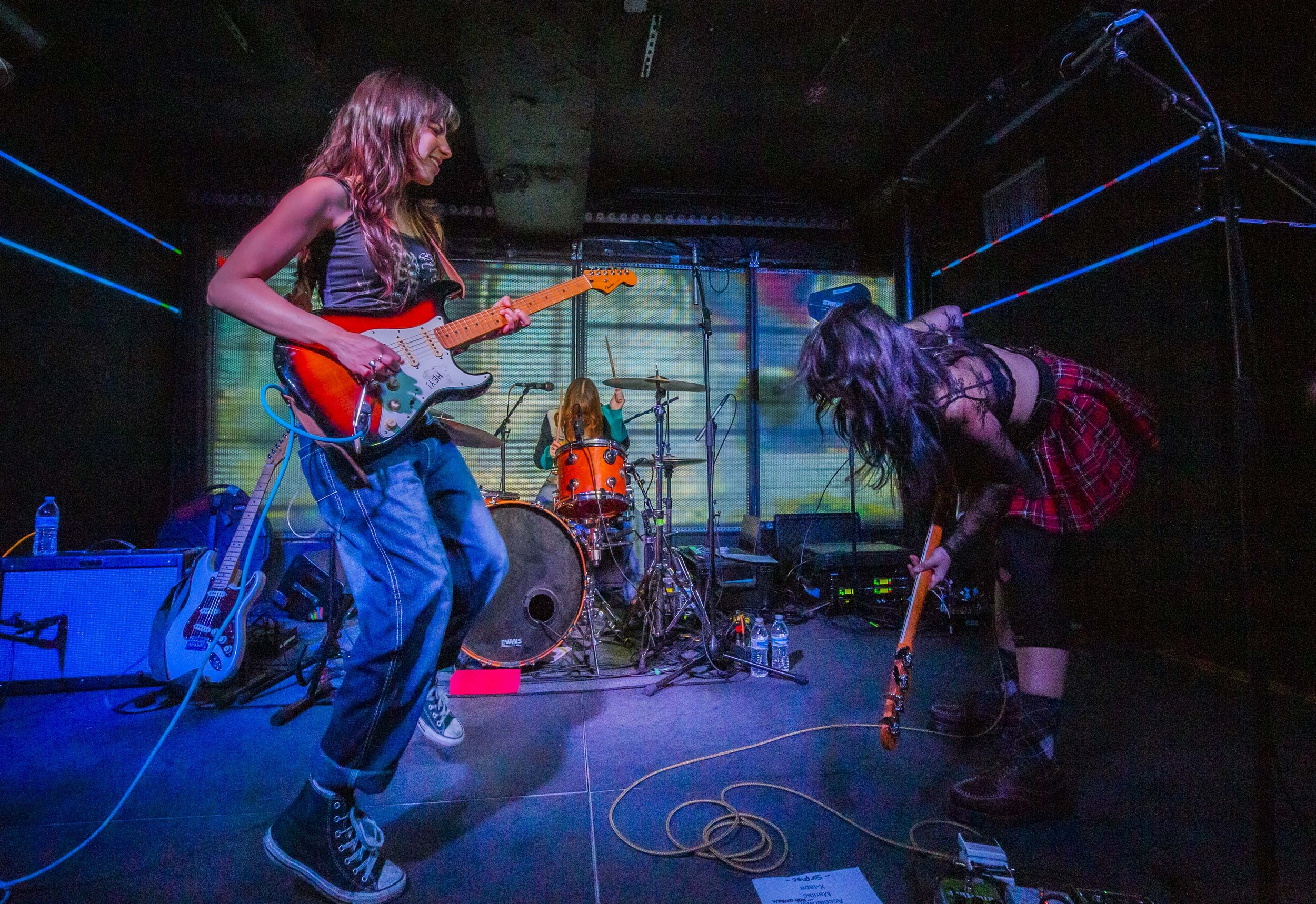
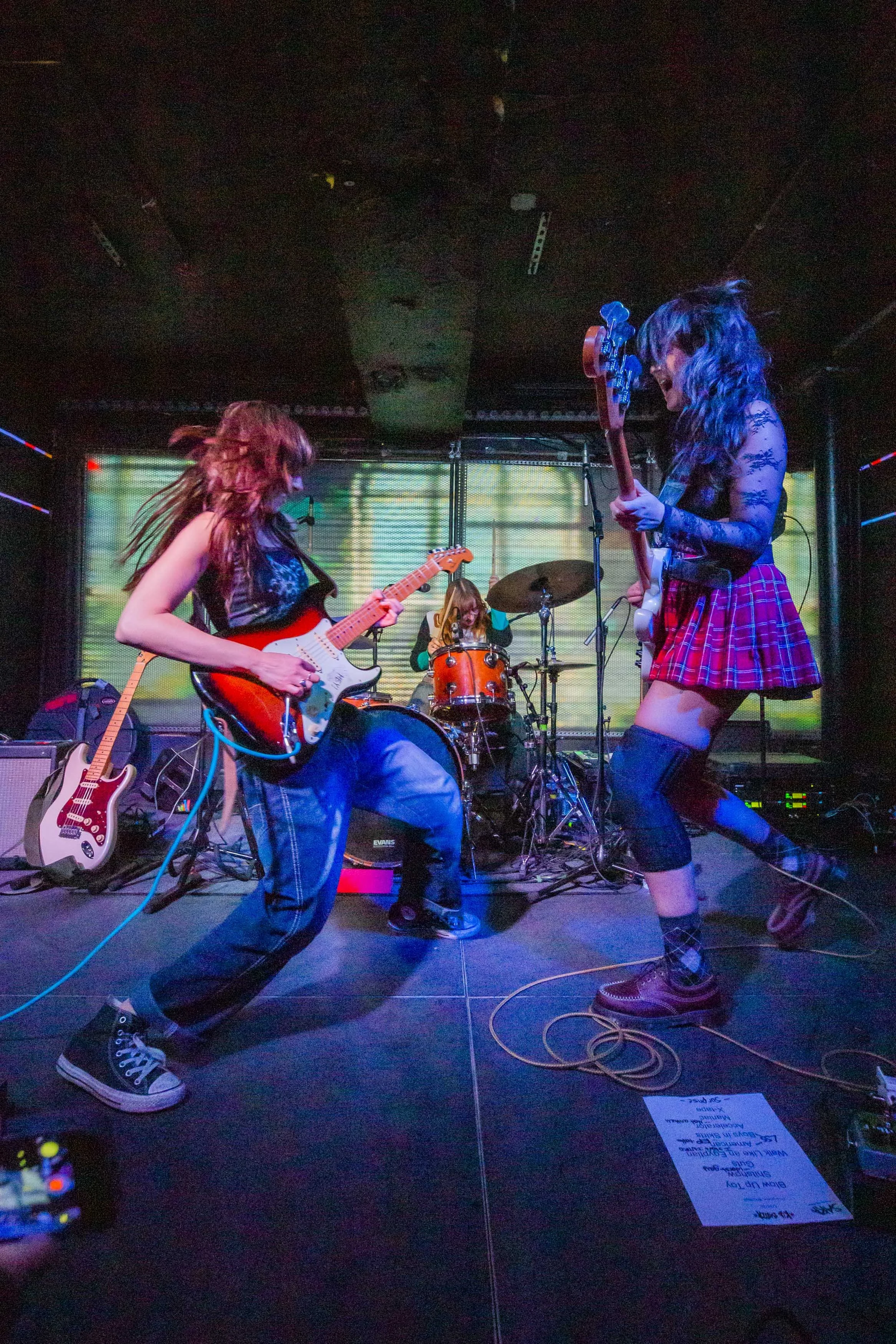
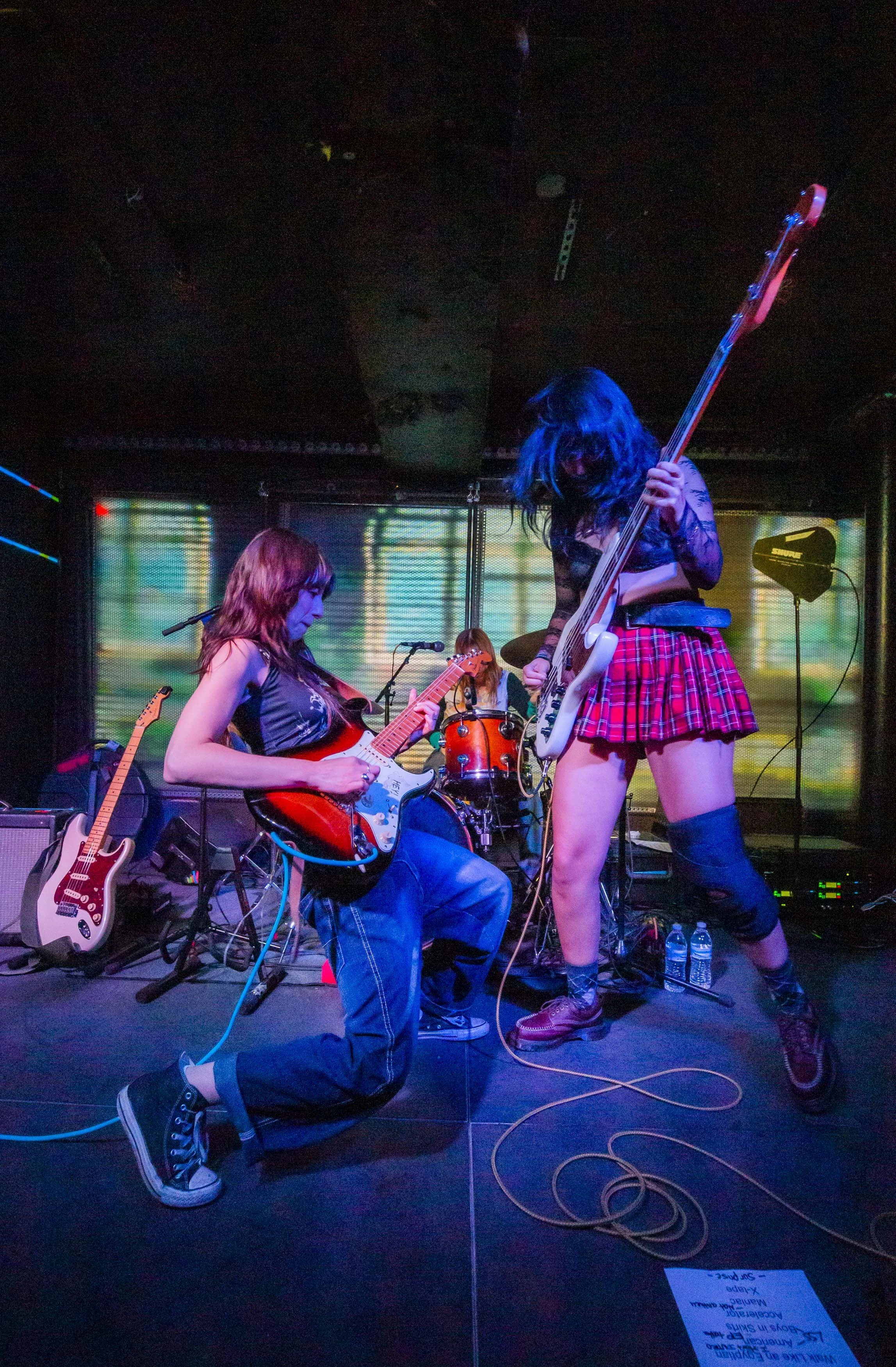
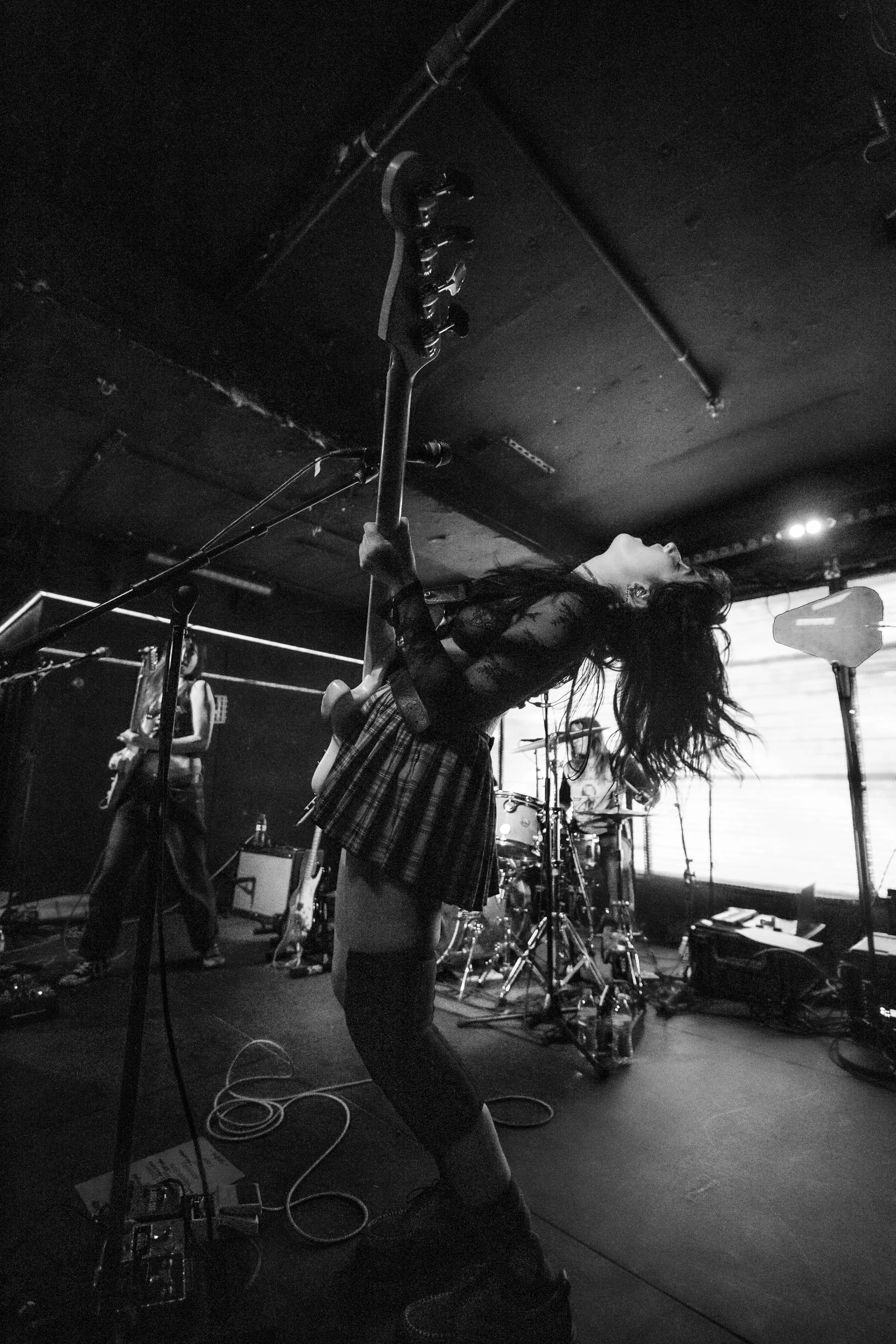
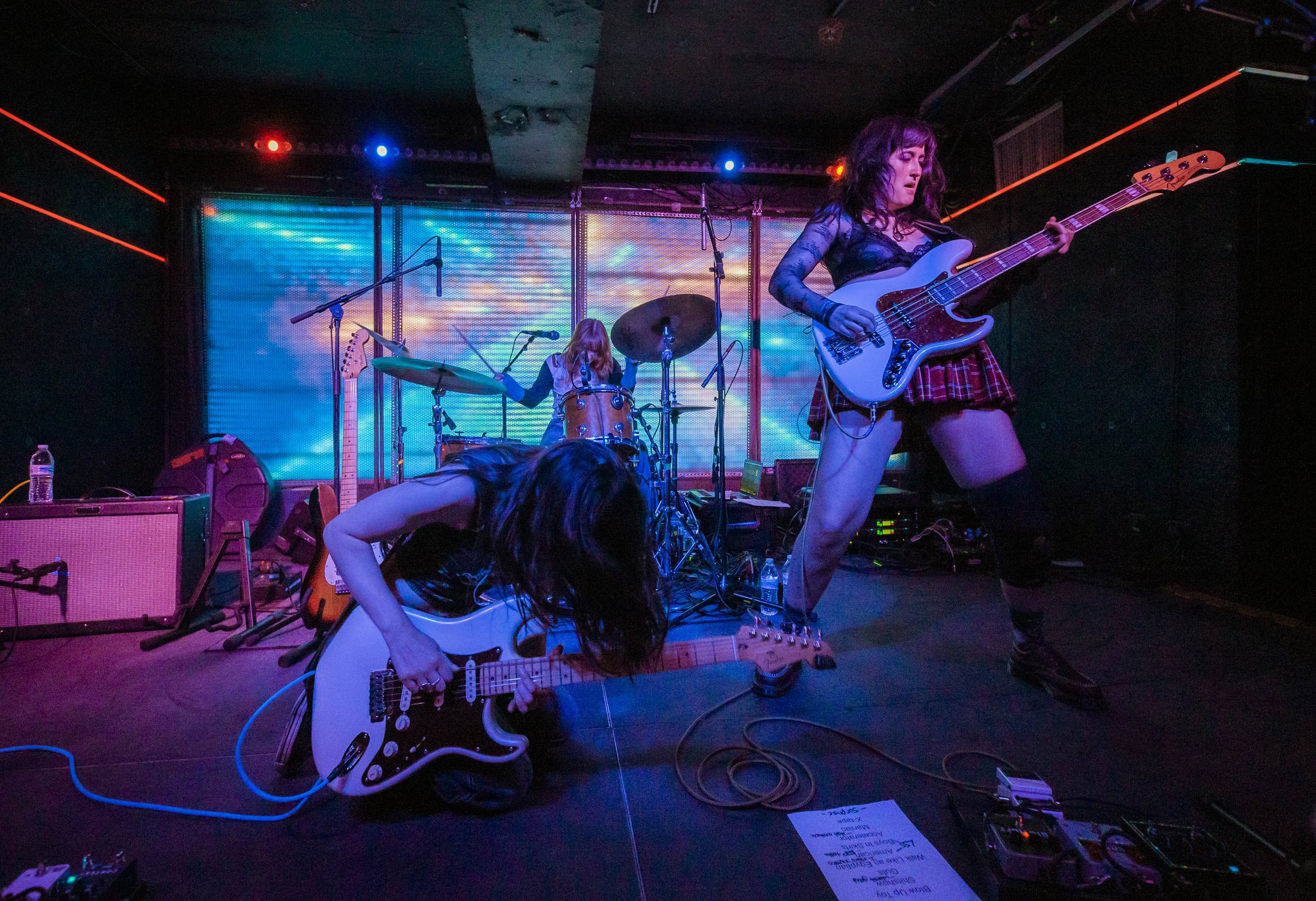
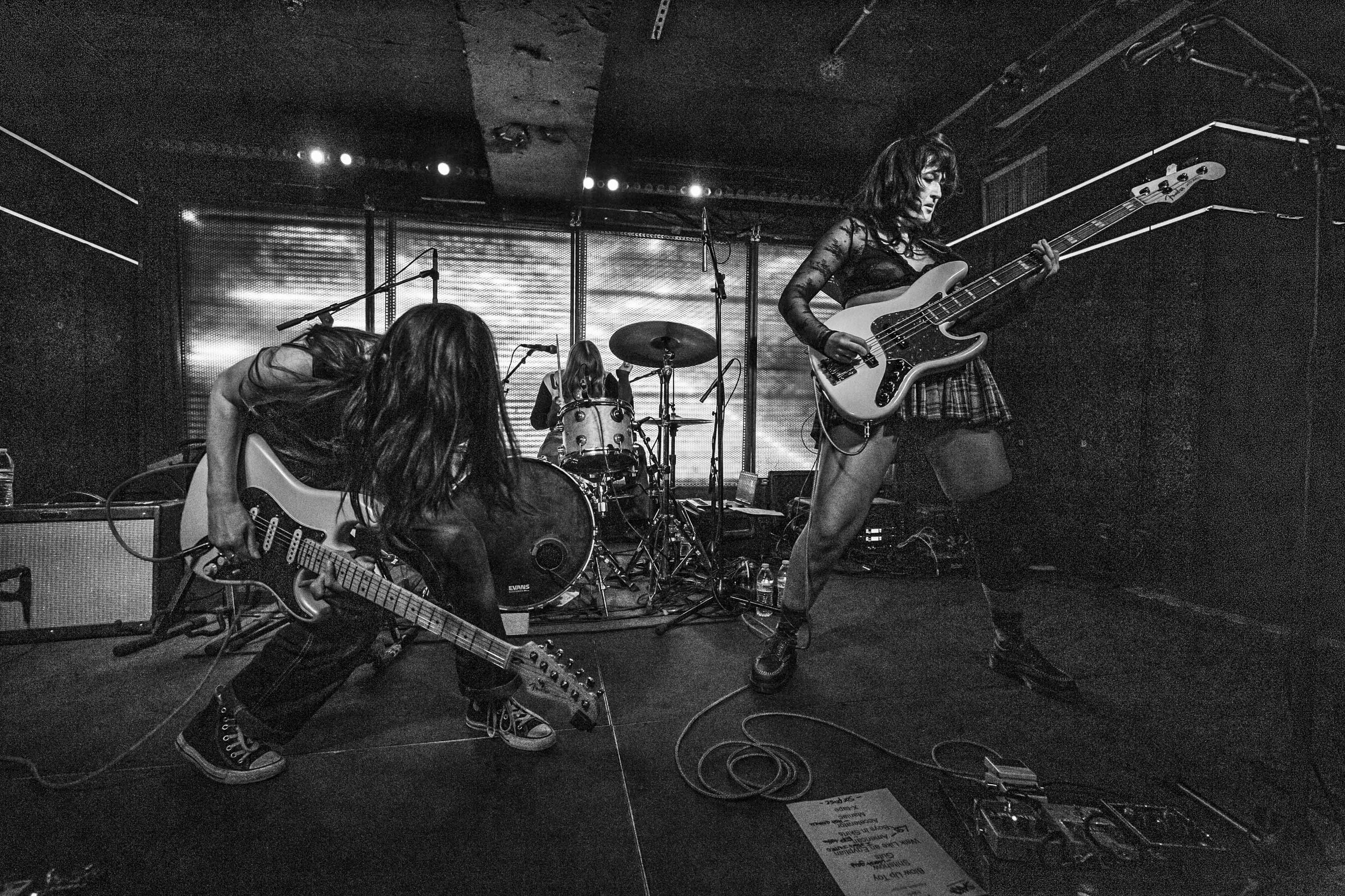
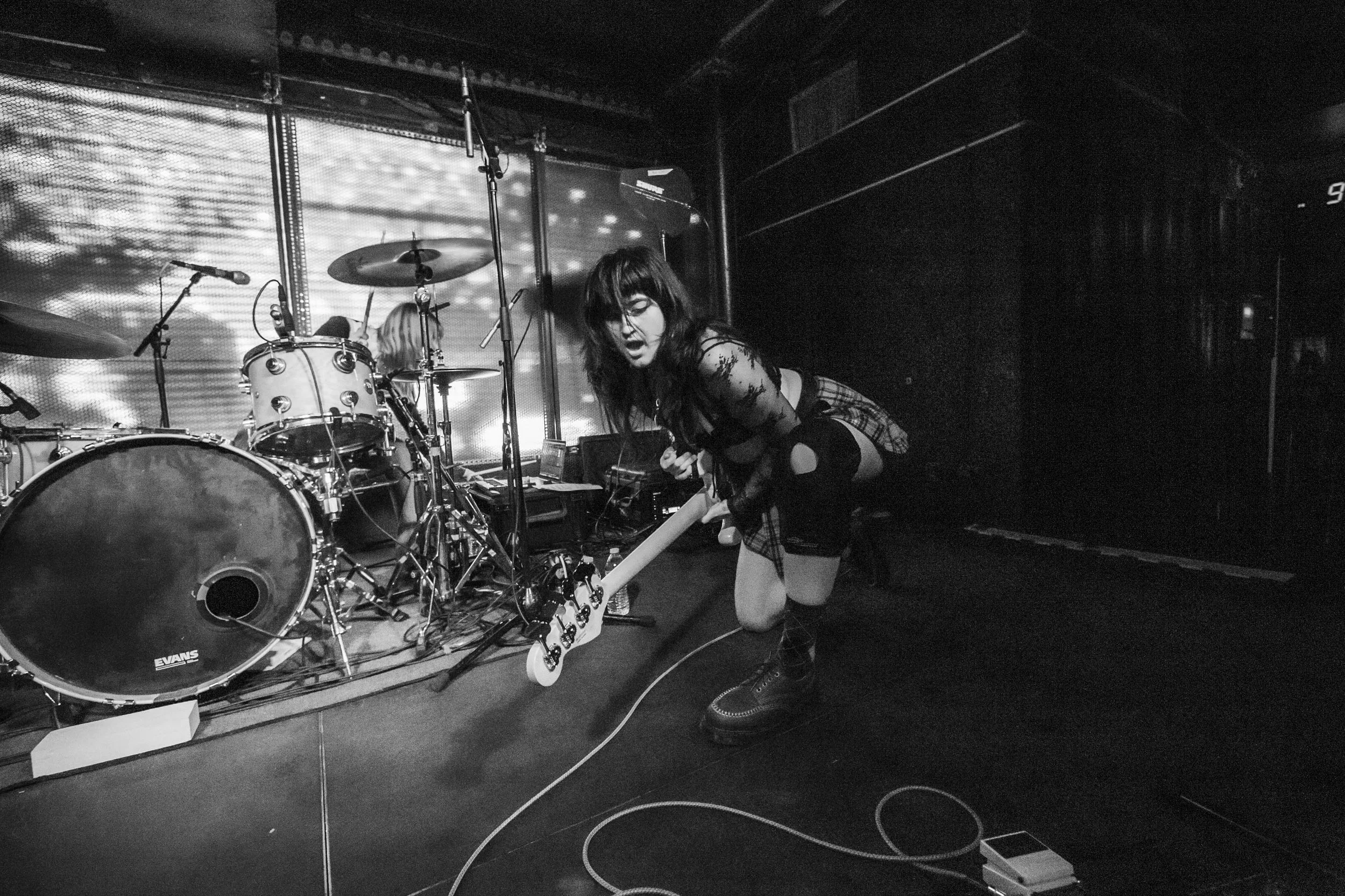
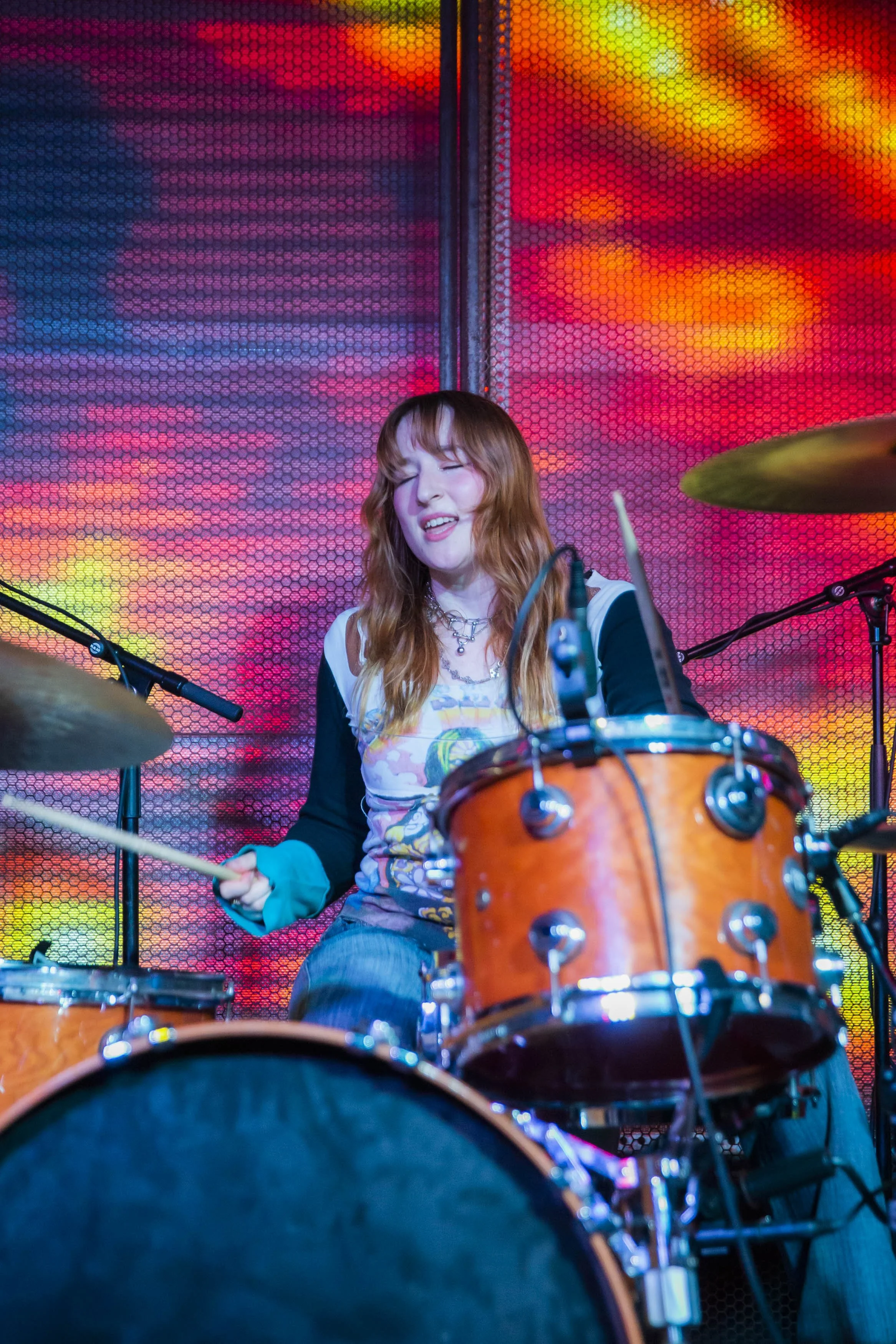
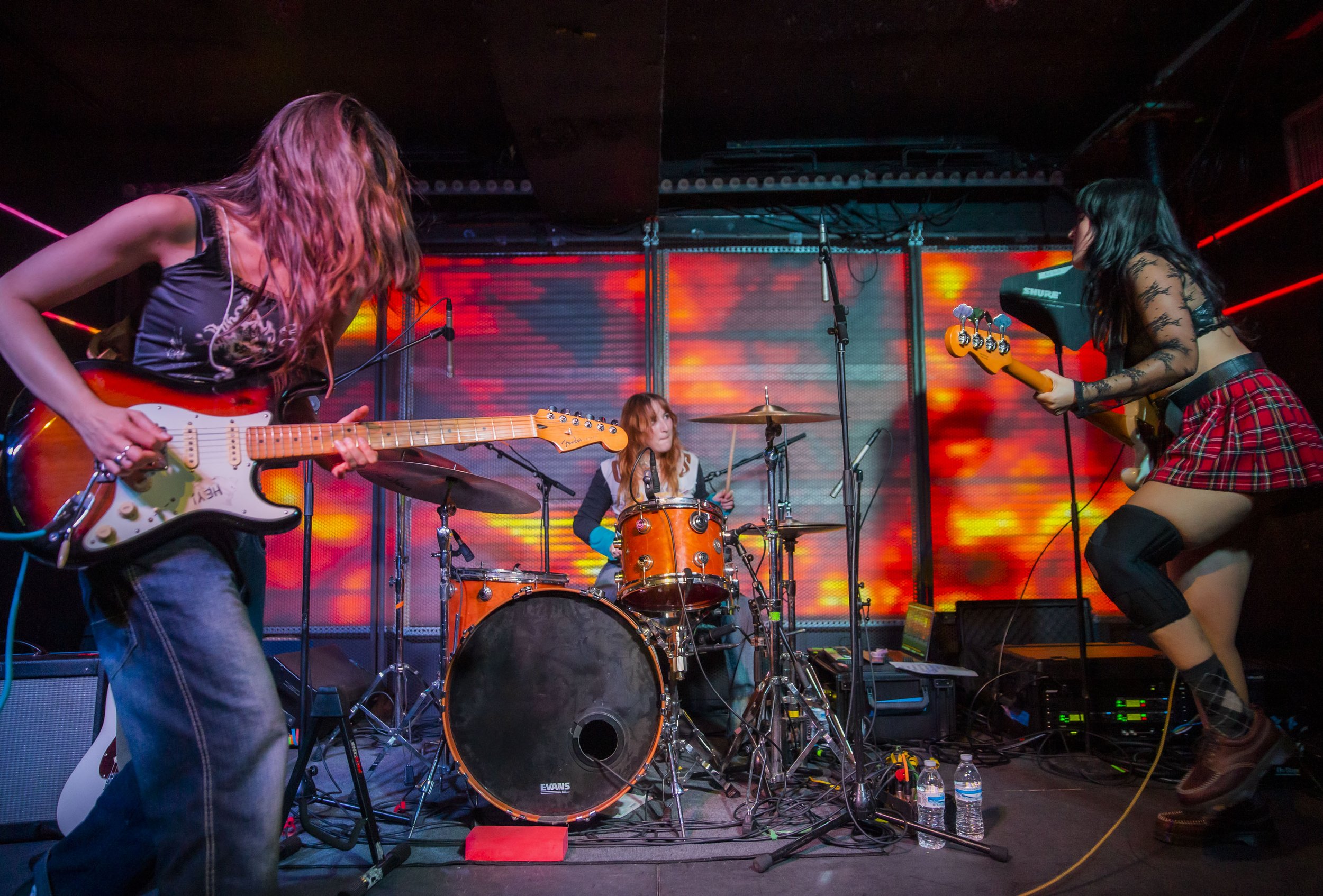
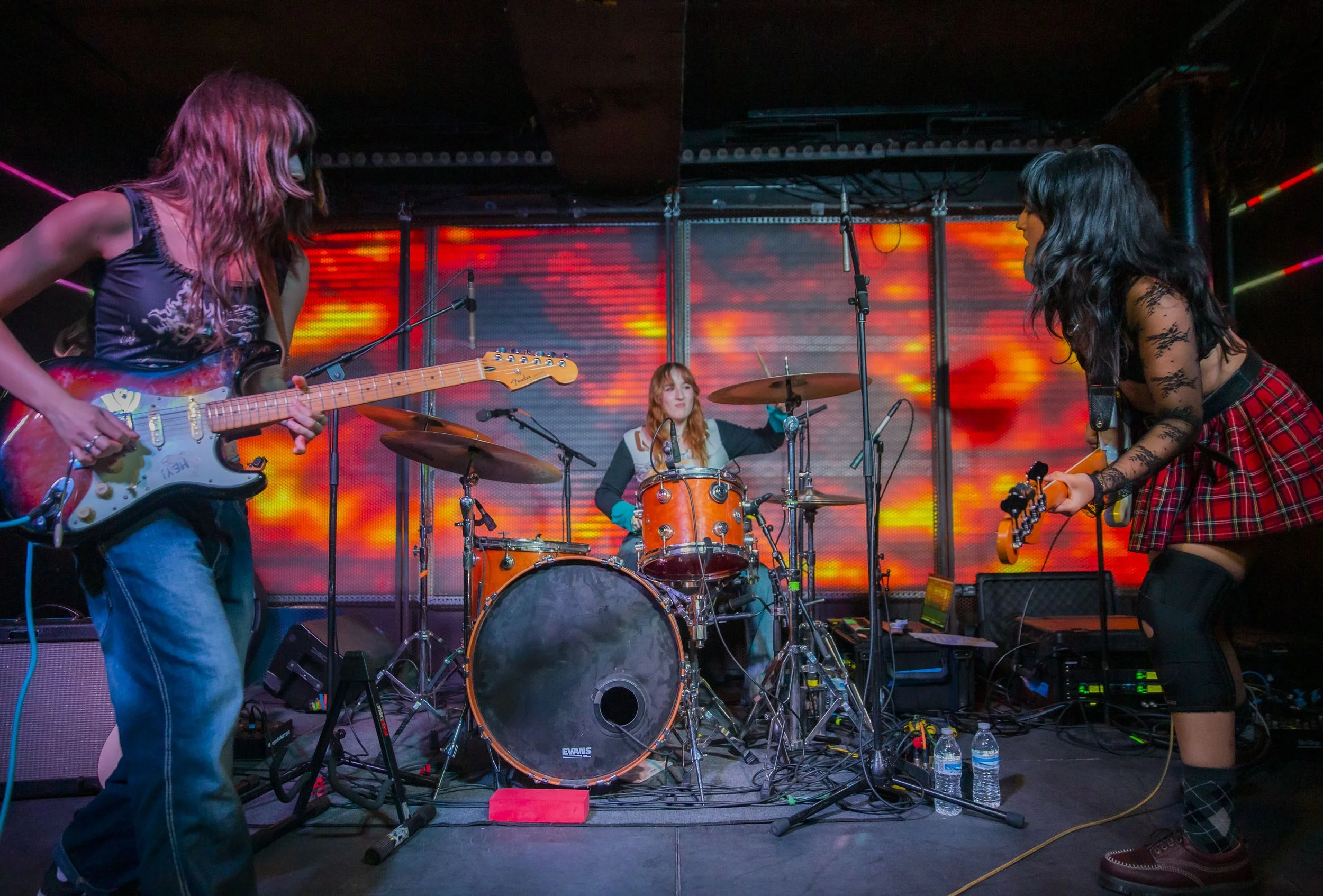
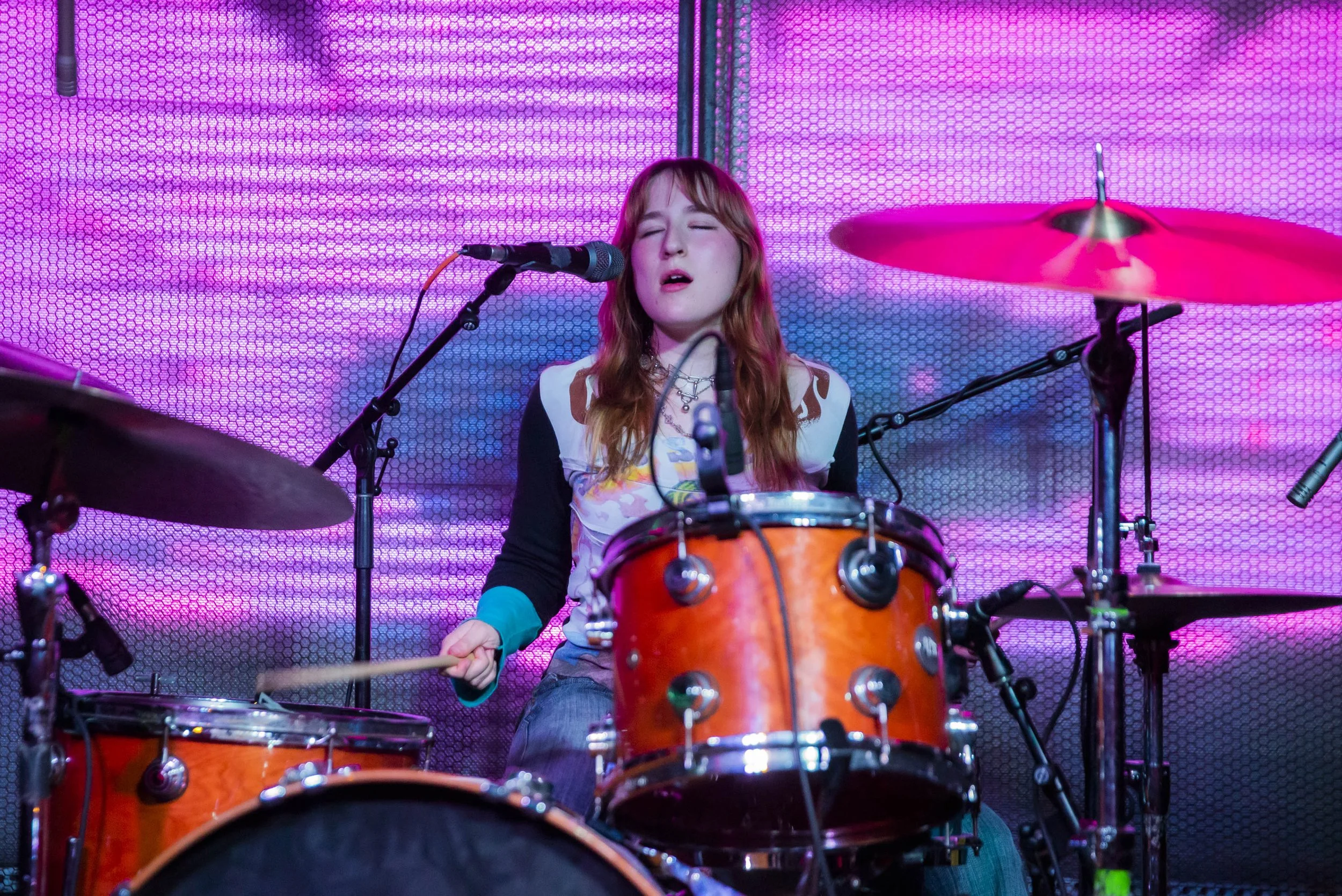
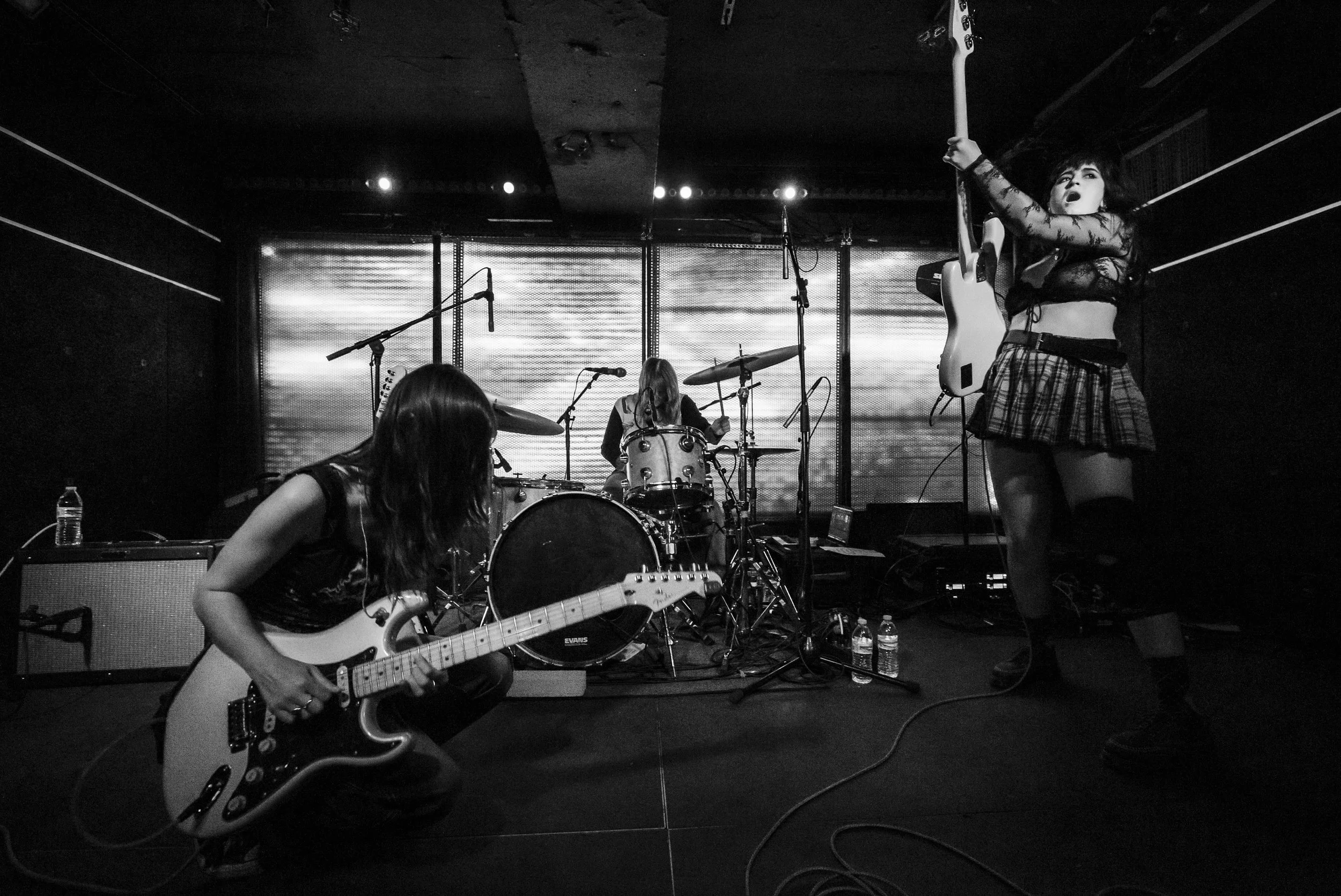
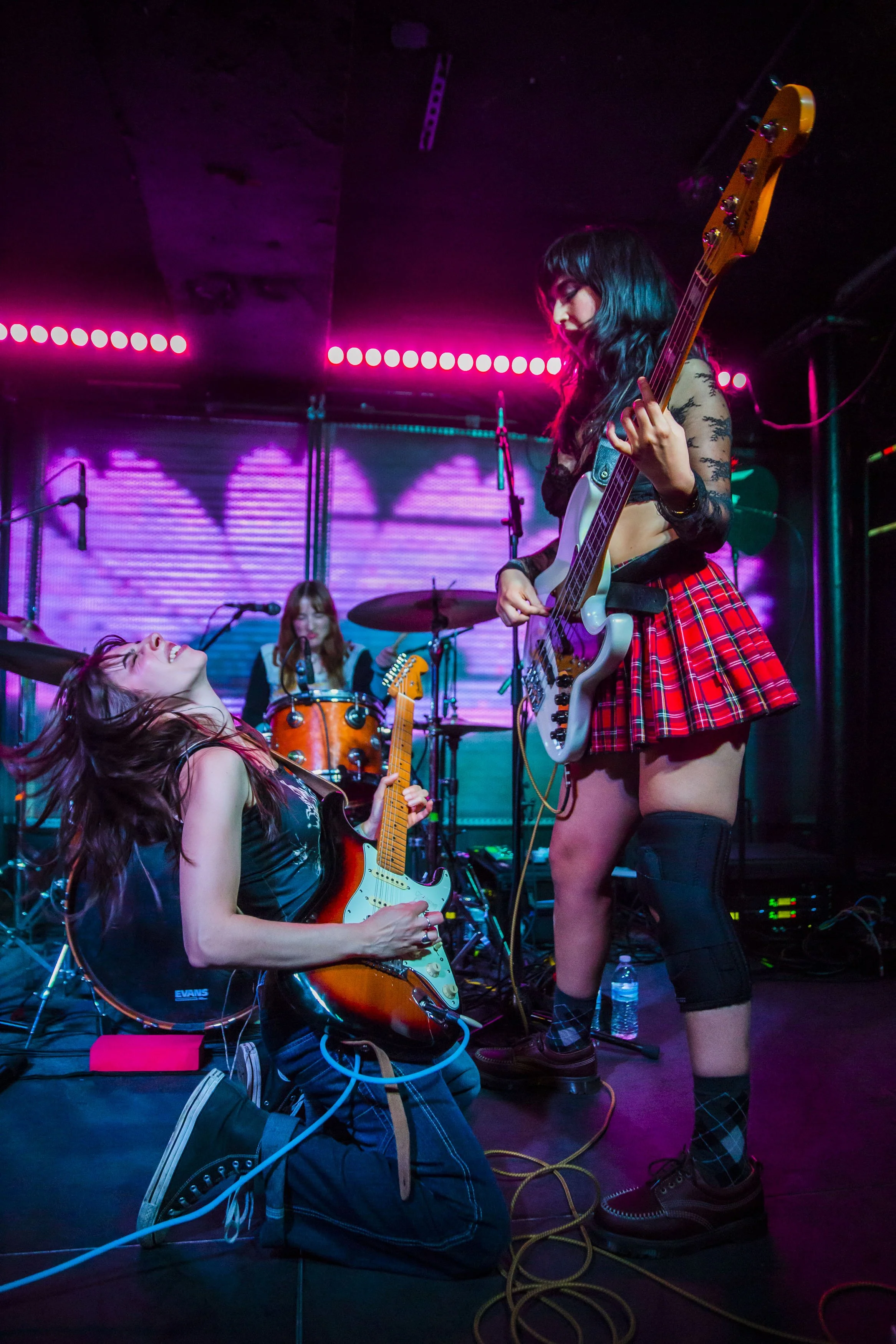
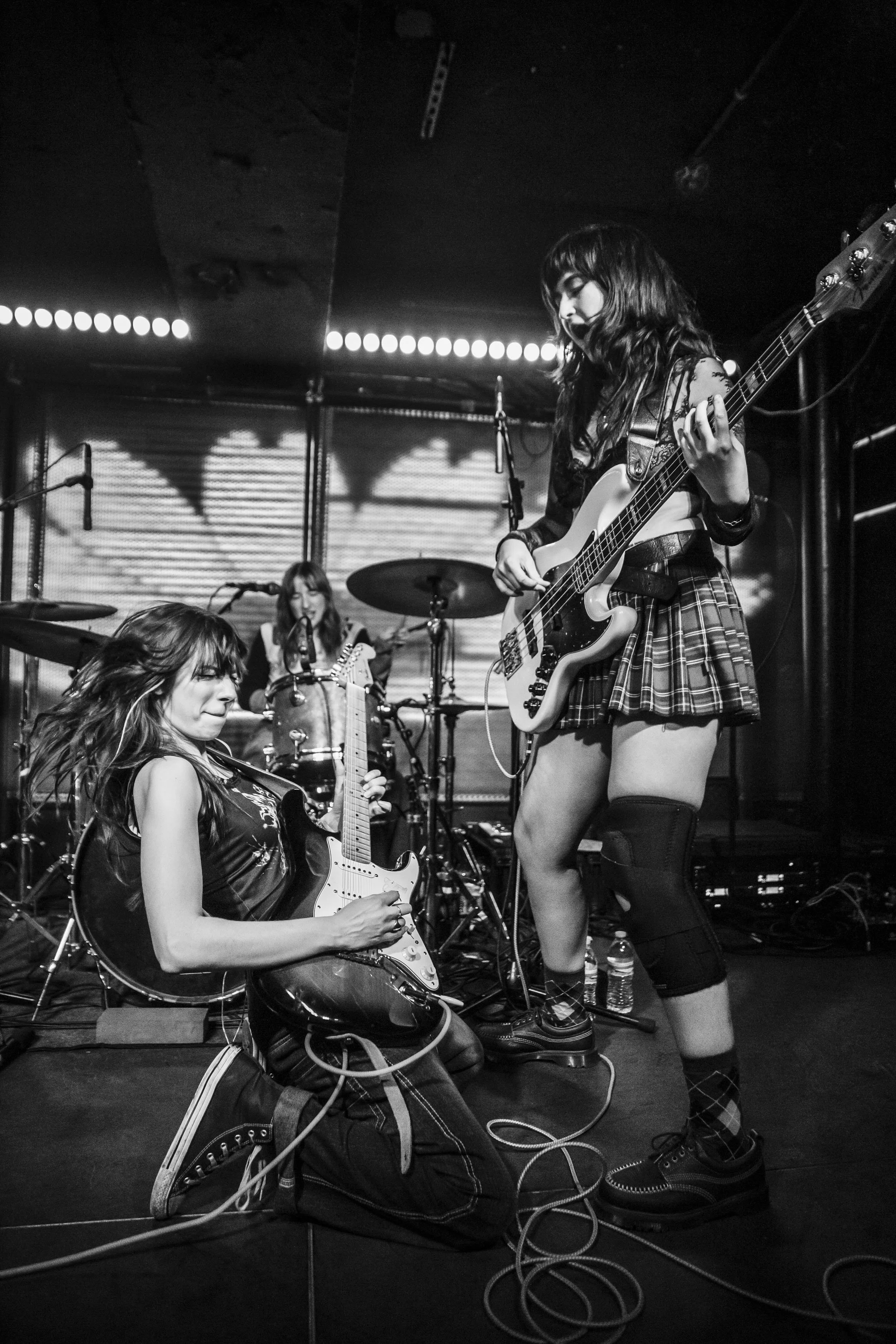
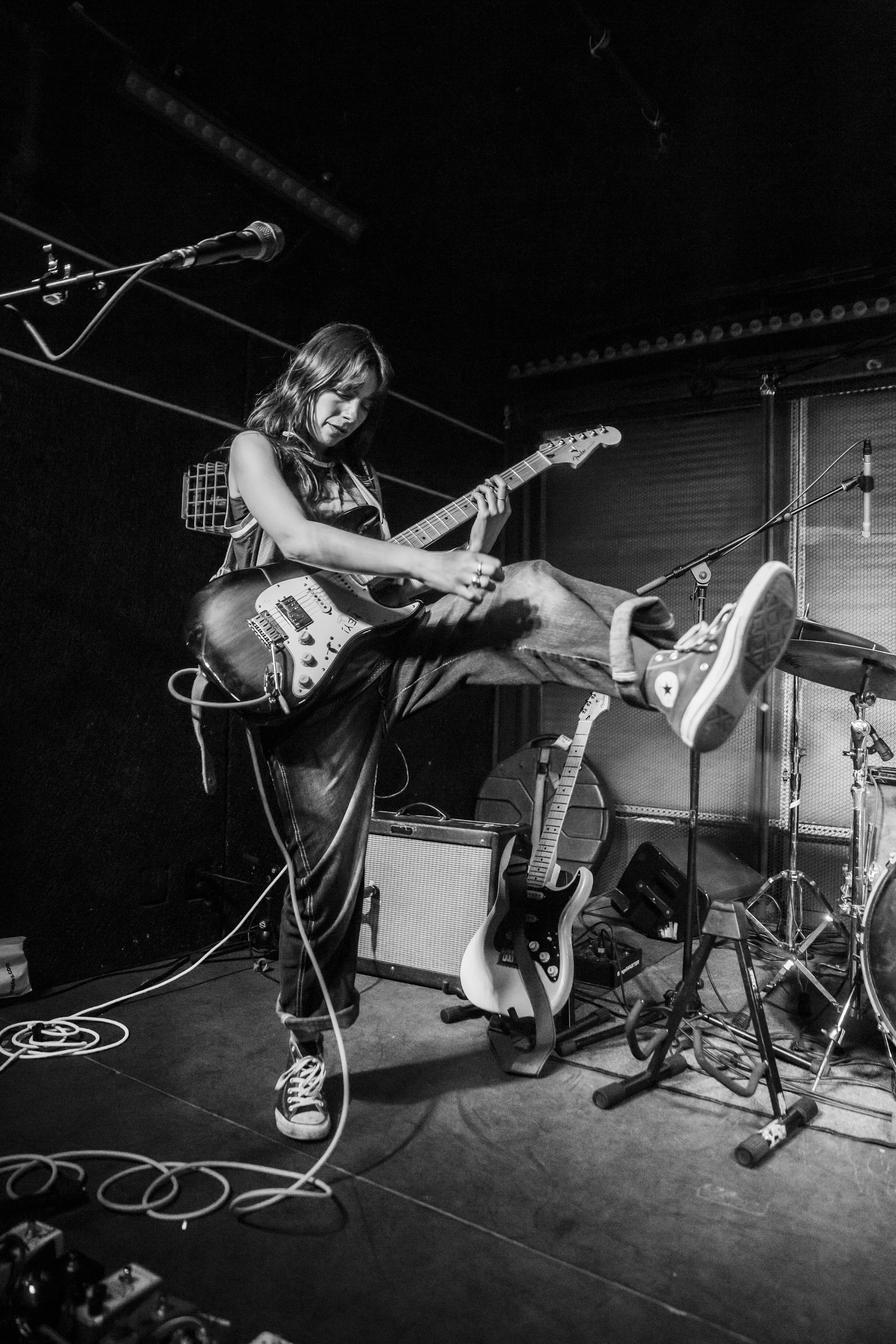
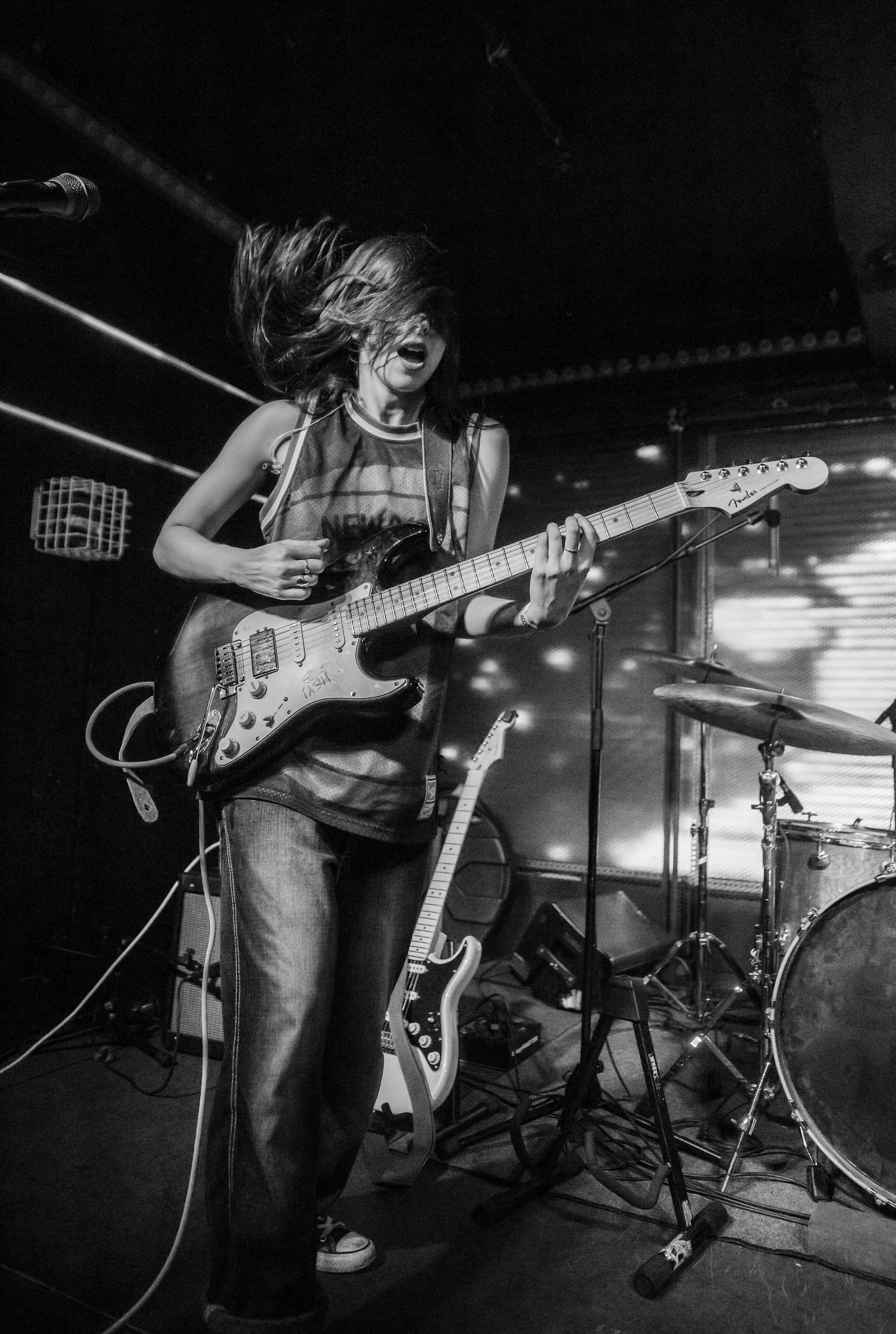
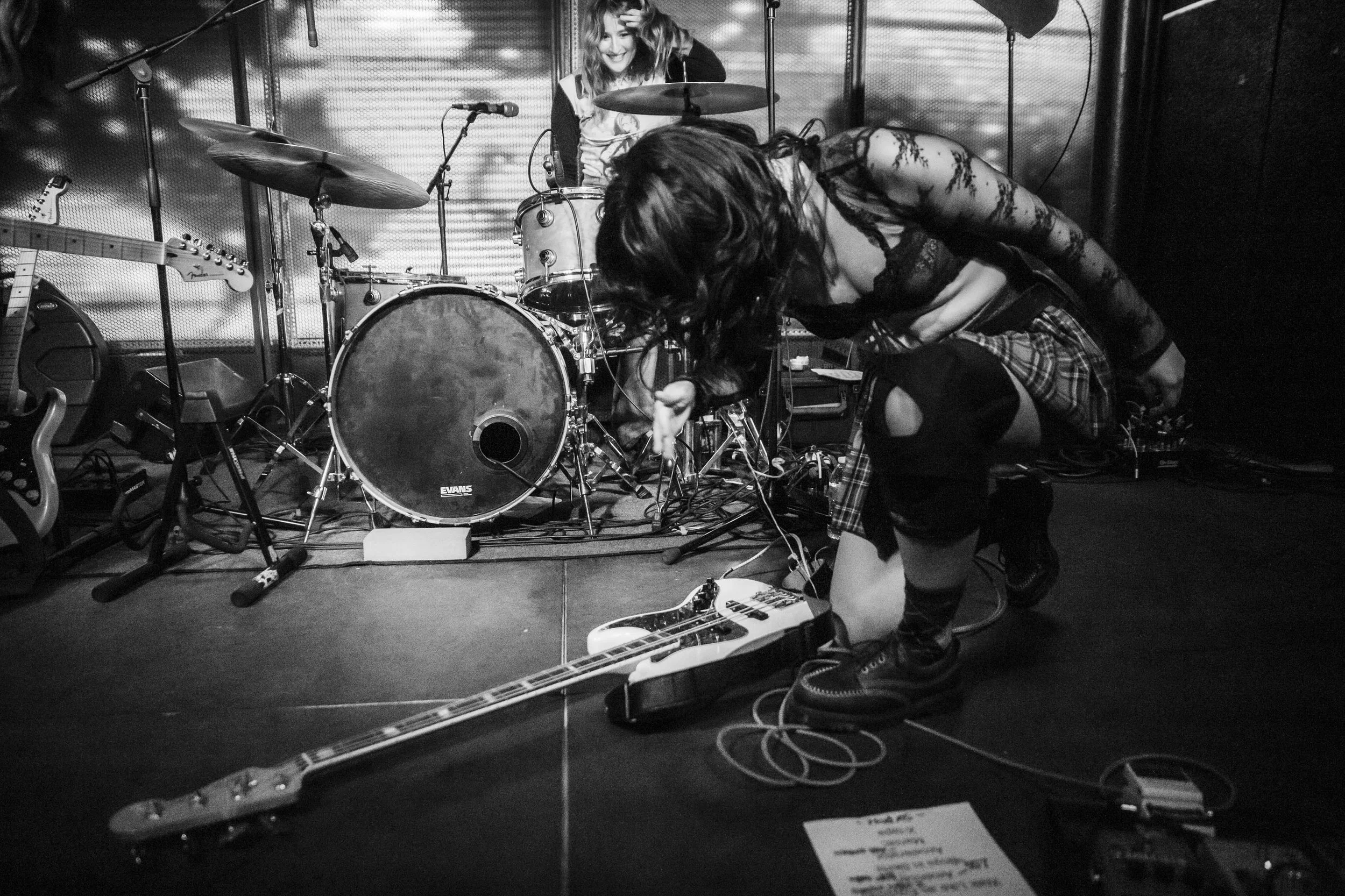
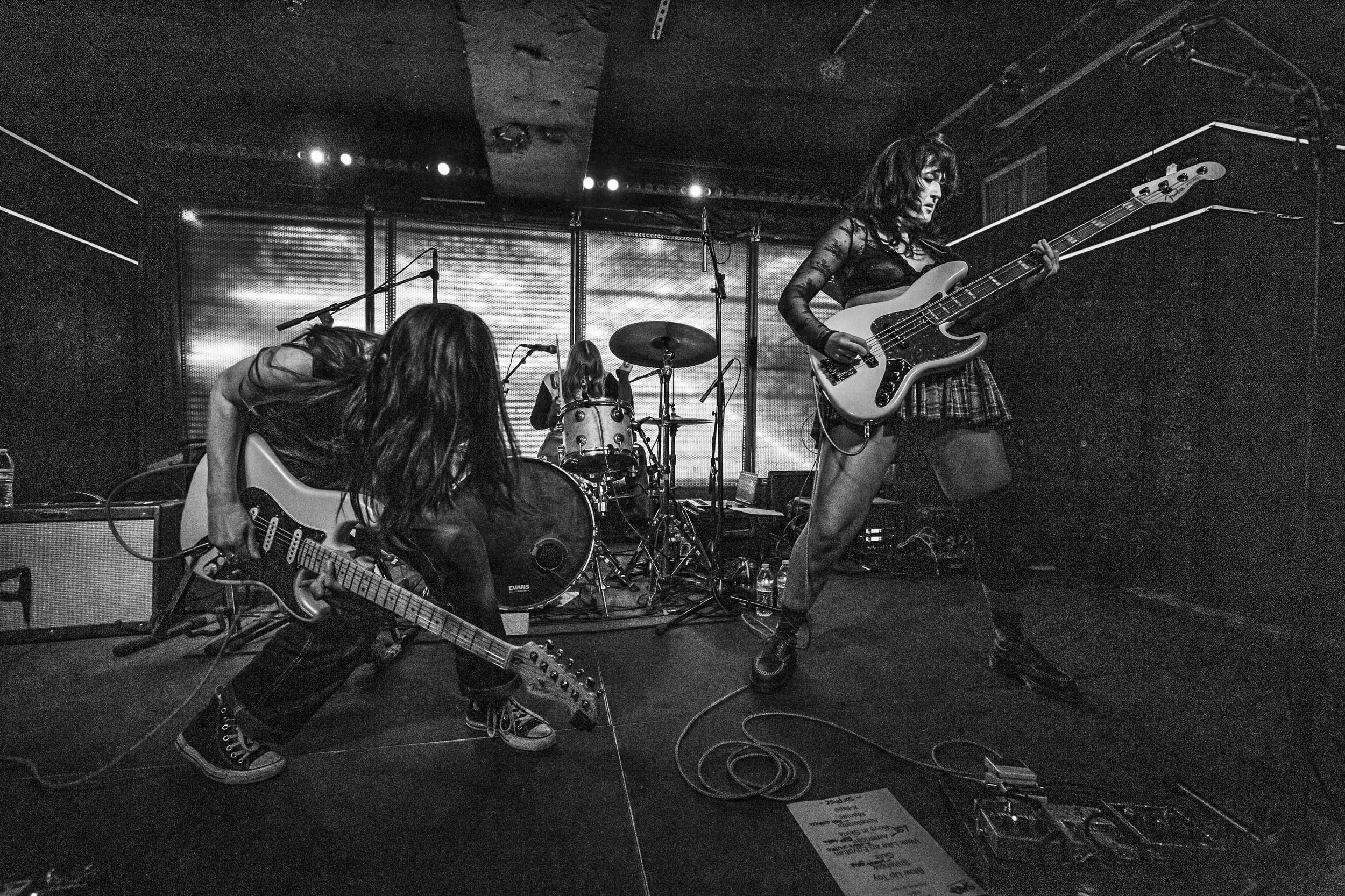
KID SISTR IS A QUEER ALL-FEMALE INDIE ROCK BAND WELL ON THEIR WAY TO “EPIC TRIO” STARDOM — Composed of Sabel Englert (lead vocals, guitar), Sara Keden (bass, vocals), and Becca Webster (drums), they’ve just released their second EP American Teenage Prophecy, six years after their self-titled debut in 2020. And it has been a long six years. The group formed thanks to Sara’s introduction— her and Becca grew up together, while Sabel and her connected in university— and initially gained major traction amidst the COVID-19 pandemic as their first EP coupled with their strong online presence. Although they’ve released singles in between, the three say that this project is much more sonically cohesive and representative of their growth as artists, and I can’t help but agree: they’ve settled into their style, found a consistent producer, and found complete authenticity along the way.
PETTY: How does it feel to release American Teenage Prophecy, six years after the release of your first EP? How has Kid Sistr evolved since that 2020 debut?
KEDEN: It’s such a relief to have new music out for sure. We’ve grown a lot and we’ve aged as people a lot. We’re old and haggard…
ALL: Old, dusty, dried up, tired, washed up… bald, jobless… and making our best music yet!
WEBSTER: I think it’s just nice to know that when people look us up on Spotify, they’re gonna actually find something that feels representative of who we are today, and our current tastes… something that we’re really proud of, versus something that’s cool, but very 2020 us.
ENGLERT: I used to be like “oh, this is our Spotify, but we have new stuff coming soon!” We’ve just learned a lot from… the past six years, yeah.
PETTY: Has there been anything unexpected or exciting during this process of creating and releasing a new EP?
WEBSTER: I think something that’s cool since release is that we have a lot of people who’ve been with us from the start, seeing how they’re actually still riding with us and really enjoying this new project is really exciting… because, I mean, the energy is the same, but sonically, it’s very different from that first EP. So it’s cool that those same people are still, like, on board.

PETTY: You don’t shy away from queer love stories, instead giving them a chance to be imagined in places they’ve been traditionally impossible, and both of these EPs have come out during rather politically-fraught moments in time.How do you guys strike that balance between the world outside and the safety and freedom that exists within your music?
KEDEN: You know, all artists do it differently— some artists really lean into that political side of things, like our protest bands, Rage Against the Machine or System of a Down— those are bands that are really important to us personally, but I think for me, we kind of just treat politics as the water that we swim in… just like, the nature of our lives. When we talk about politics… it’s less so that Rage Against the Machine approach, where it’s really up-front… I think it’s more just embedded in who we are, because our existence as a band of three queer women is innately political.
ENGLERT: People don’t want us to exist!
KEDEN: People don’t want us to exist, and we do, so that allows us to kind of embed it… for me as a listener, I love highly political bands! But sometimes I need to exist in the fantasy world of art, and I think I want to give our listeners a chance to do that. So we don’t want to all the time be like, “fuck you I won’t do what you tell me!” even though that’s how we feel on the inside.
WEBSTER: I also specifically want to speak on Boys in Skirts and American Teenage Prophecy because you’re talking about how we find safety in our music, and I feel like those two songs really allowed us to kind of just curl up in fantasy worlds… where gay is the norm, essentially! …I feel like we have found a lot of solace and safety in that, especially in the music videos we created for those two songs.
ENGLERT: And we have songs that aren’t released yet that are a little political, but it’s just because of what Sara’s saying, of like, who we are… we’re not trying to speak about something we haven’t experienced.
KEDEN: But that’s why it’s so funny when people are like, “art isn’t political!” because I don’t think we were ever, when we started this band, trying to be a political band. But then it’s like, let me write about [my life] because it’s my life, and [art’s] my journal! And then it’s political, because that’s life.
PETTY: One of my favorite quotes from you guys is that “girlhood permeates into womanhood,” which I think is a sentiment your music often tries to capture. What moments of girlhood have been represented or preserved through American Teenage Prophecy?
ENGLERT: I feel like American Teenage Prophecy is kind of like, coming from a character that we almost wish we were when we were younger, and it definitely makes me emotional whenever we play the song—
WEBSTER: Well, it’s coming from a lack of queer experience!
KEDEN: When we were experiencing our girlhood, or like young, innocent crushes, we just didn’t actually know that really existed or was an option. Like, I didn’t even think about asking my best friend to the prom, even though we were candidly in love with each other. We both had boyfriends! …I think there are so many kids today that are just so gay and so young, and I look at that, and I’m so happy. But also, selfishly, it’s such a grief point for me…
ENGLERT: And I feel like my healing with that is like, I know I would’ve listened to this song then, and it would’ve maybe opened up my eyes a little bit more. So I feel like it will be that, for other queer kids that are like, in middle school.
KEDEN: I pray! …I think people underestimate the power of heteronormativity, and how heavy hitting it is.
PETTY: You’ve been praised by online audiences for an authenticity that seems rare in the digital age, but you also initially went viral on TikTok. What role has your ever-shifting online presence played in Kid Sistr’s development?
WEBSTER: I think that in some ways, having to promote ourselves on social media has kind of helped us find who we are… it’s just that social media requires this crazy constant output, and I think that in doing that, you just get closer and closer to becoming who you actually are, putting out content and art that does feel like you. And I think we also have seen what resonates for people, and it just happens to be that what resonates is just an actual pure expression of ourselves versus us trying to be something that we think will go viral, or trying to emulate other artists and their content styles… it puts a mirror up.
KEDEN: It’s so unlimited what you can do, and I think while that can be overwhelming, it does just give you reps. Just practice. Like, who are we? You have to constantly ask yourself that question to make it work. And it can be really helpful, but it can be overwhelming.
PETTY: Have there been any other big influences on American Teenage Prophecy, outside of The Runaways? Sonically or just aesthetically!
ENGLERT: I mean, having three of us is nice, we pull from a lot of different music.
WEBSTER: I just grew up listening to a lot of bands, a lot of trios; like, guitar music. I feel like we always talk about Green Day, Nirvana, The Police, Blink-182…
KEDEN: Epic trios.
WEBSTER: Epic trios. And Zeppelin!

PETTY: There are these really eclectic descriptions of Kid Sistr that I’ve encountered— bubble-gum rock is one of them, which I adore— so if you could each pick a word or two that capture the vibe of your current sound, what would they be?
ENGLERT: I’m like, how do I put mental illness into one word…
KEDEN: I always say, like, girl rock…. female experience. With an electric guitar and overdrive.
ENGLERT: Experience my female!
PETTY: In a 2019 interview, you guys said one of your biggest goals was to represent women and change how they’re often perceived in the music industry. It’s been seven years since then— what would you define as your biggest successes?
ENGLERT: You’re taking me on a journey right now… well, we’ve toured since then. We hadn’t ever toured as a band, and so we’ve met a lot of people on tour, and I think hopefully onstage we make it known that we want to talk to you! And you know, meet you at the merch table, or whatever! I don’t know, people have told us that the music has helped them, which is crazy, and it always makes us cry.
KEDEN: I think also we’re all just really, really, committed, and we work really hard; I think all of us have just developed more skills to empower ourselves in our business, and I think that’s the best thing you can do. I feel… just so proud of them, and so proud of myself, and so proud of the work we’ve done. I think we’re really smart and hard-working, and we’re ready to show people that!

PETTY: What advice would you give to young queer/femme artists, musicians or otherwise?
KEDEN: I think my advice is just don’t be tempted by the boys club of it all. I feel like when I was up and coming, really trying to become a very skilled player, there were a lot of times where (because those places of highly-competent players are often very male) I was very tempted to fall into this “you’re just ‘one of the boys’’’ role. There’s some gender antagonism that happens, when it’s like “Oh, that girl doesn’t know what she's doing, but you’re cool, Sara.” And I’d kind of be like, right, right, I am cool. I can hang, but she can’t, but I can because I’m like you. And that’s such a big temptation… I would say that’s the devil talking.
WEBSTER: It really is!
KEDEN: Like, obviously there are so many men that I love and respect who don’t have that attitude, but find other people who are your-gendered peers and collaborate with them and empower each other. That’s what really brings you up out of the trenches.
ENGLERT: I feel like I was thinking about this when you guys said girl rock, because I feel like me years ago would be like “Well, I don’t want to put ourselves in that box, blah blah blah…” But it’s like, what fucking box? Like, we’re girls and we’re making music about being girls. And anyone can consume it! Men write about being men all the time, they write about their dick and balls! And it’s great, like, I’ll listen to it!
KEDEN: Gonna write about my fallopian tubes…
ENGLERT: But it’s obviously for anyone. Music is for anyone.
PETTY: What does the future of Kid Sistr have in store for us?
ENGLERT: Just more music, and more live shows. Consistently.